Experiences Over Things: a list

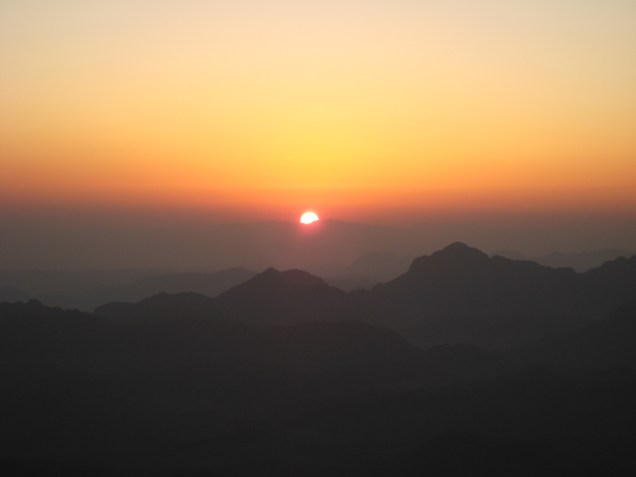
sunrise over sinaiSunrise over Mount Sinai

I’ve written a number of posts about what to bring home, but I haven’t given just due to experiences. Trends, of course, change and the millennial generation’s preferences for experiences over things is getting wide attention in the press.

For this post, I sifted through my own travel memories throughout the decades to prepare a short list of knock-your-socks-off types of experiences. Call it a “Things to Do Before You Die” list, rather than a “Places to Go Before You Die” one. There are many such lists on the interwebs, and I would dispute much of what’s there. (Case in point: you can skip the pyramids at Giza, Egypt and the rock carvings at Petra, Jordan, and still be fine IMO, but many people disagree with me.) Some of the experiences that made my list were dependent on the destination (for example, hiking Mount Sinai at dawn, which I’ll recount later in this post) and others can be created in a variety of places.

In the first example on the list, it was the combination of place+experience that puts it on knocked-my-socks-off list:

1. The Great Wall of China

I was underwhelmed by my first visit to the Great Wall. It was a busy tourist stop. There were super-sized tour buses. There were stalls selling various trinkets, such as “gold”-plated moulds of the wall. It was difficult to get a photo without tourists in it. I snapped a few and left.

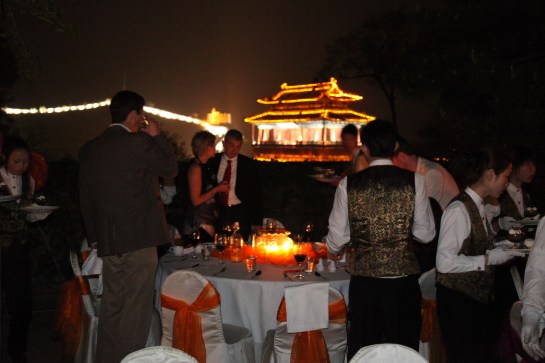
Later in the trip, my family held a double bat mitzvah reception on an area of the Wall reserved for private events. This experience deserves its own blog post, but in short… The evening began with an elegant cocktail hour on the Wall with traditional drummers and dancers. Then we were seated at round tables in a formal setup in an adjacent section of the Wall. Our tables were surrounded by lush flower arrangements and beautiful decorations. We were served a delicious multi-course Chinese meal with red, white, and sparkling wine. A mix of music played and people got up to dance. We watched the sunset from our tables or from the dance floor. Sometime after dark, some secret guy behind a switchboard lit up the Wall section by section. At the end of the party, as the guests made their way back to the chartered buses, the skies opened up. It poured and lightning bolts lit up the wall in flashes. It was the most suitably dramatic end to the night.
1188-IMG_1183

2. Paris

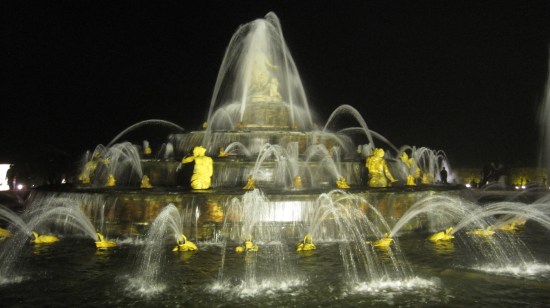
Paris is enchanting anytime, but especially at night. Pro-tip: the light show in the gardens at Versalles (a short train ride outside Paris) in the summertime is total magic.
IMG_1731

3. Prague

I’ve written some about my time in Prague. This was a function of time+place, and there’s a full-length book that will emerge someday from my two years living there. I could be walking to work any day and see some architectural detail I’d never noticed before. Or look up (instead of down at the cobblestones) and see what I’d seen many times before, but my mouth would still drop open in disbelief at the beauty and grandeur.

4. Safari in Africa
IMG_20180503_054819

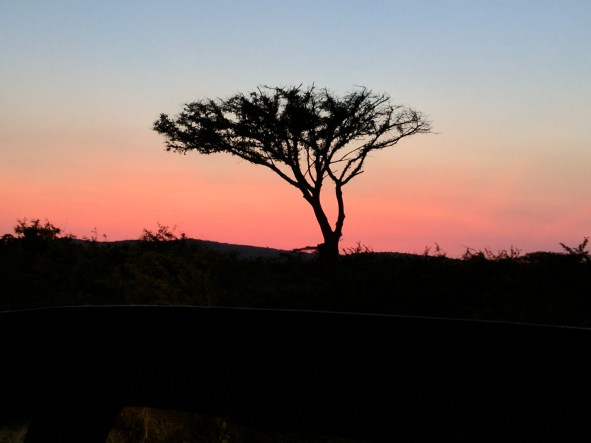
It could be Kenya, Tanzania, South Africa, Botswana, Malawi or Zambia. You pick. There is nothing like seeing these great creatures living undisturbed on their own lands.

5. A quiet beach

Take a trip and find your spot, away from the crowds. My two favorites were in Costa Rica and Dominica, but beyond that I won’t specify. You have to find your own. On a vacation without an itinerary and with a malleable return date.

6. Oktoberfest in Munich

It was 1996 when I first went, and then returned a couple years later, so I can’t attest that the raucous, multi-cultural vibe remains the same. This experience merits its own post, but it would be rated R and names would have to be changed to protect certain people. You know who you are.

7. The Grand Canyon from the air

I was a seasoned traveler, even hardened, but when I flew over the Grand Canyon my jaw dropped open and stayed that way for a while.

8. Mount Sinai at sunrise

This is the moment captured in the photo at the top of this post. My aunt and I awoke at 3 a.m., as the local residents said we should, without a plan. We walked from our camp with its two dozen or so cabins in the desert, following the road out until we found other people on the pilgrimage. People were already out walking at that hour and the numbers grew throughout the night. We walked by a few homes and businesses. Villagers were up early, watching us, and we stopped a few times to ask where we were going. We chose a less trafficked, but steeper path up. Along the way, we hired a man for a few dollars to guide us. It was dark and cold and the path was steep and rocky, eventually heading nearly straight up. There were a few huts on landing areas on the way, serving tea and snacks. Our guide basically ended up pushing my aunt most of the way up the hill by her butt. He still turned around to give me his free hand to grab at times. We wouldn’t have made it without him. At the top, travelers from all over the world gathered and we set our gaze on the eastern horizon. We waited through hushed utterances of “what time is it?”, “which way?” When the sun peeked over the horizon, there was an audible gasp from the crowd, including me, and the sounds of shutters clicking and clapping all around. I am not a religious sort, but it was such a spectacle (nee miracle?) that it was easy to see why the ancients believed this was a holy place and why it inspired belief in gods.

9. Macchu Picchu

If you plan to go, keep an eye out as closures have been discussed.


Where were your most memorable experiences?
 

Virgin Safari

Leading up to my trip to Lilongwe, Malawi, I was anxious for a number of reasons. It was my second trip to Africa and I had spent the first one typing in a hotel room on a dial-up internet while my team leader, a Zimbabwean doctor, took the other (male) team members to tour various health projects. My team leader for this second trip was Issakha, a Senegalese epidemiologist whom I had never met. We had a lot of work to accomplish in our two weeks together.

Issakha flew in the day after I arrived. When I met him in the hotel lobby, I could tell this trip would be different. Issakha towered over my small frame, but looked me straight in the face as he grasped my hand warmly. When the professional soccer teams started arriving at the hotel for the Africa Cup, he would watch over me with a fatherly eye.

The following day, we set off with a group of colleagues to visit a district hospital. Within minutes, we left the small capital’s city limits and soon after the paved roads disappeared into dirt.

The hospital was a two-hour drive along high grasses and thin trees. I was excited to see some effects of the work I had been doing from an air-conditioned office in the U.S. Our project in Malawi was helping to renovate a pediatric wing of the hospital. The project was nearing its end and we had found some extra funds. At headquarters, we had considered paying them out as salary to our employees in Malawi, but instead, the Lilongwe office had asked that we use the funds for the hospital. When I announced the decision to the employees in the office that morning, they broke out into applause. It choked me up and I waited awhile before speaking again. I expected to see such generosity again in the future while working in the public field, but did not. I also would find that men as caring as Issakha are rare. I got lucky.

2007_0615malawi0046

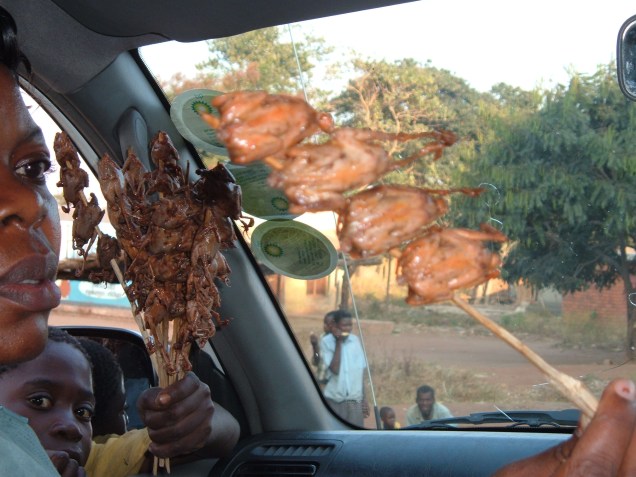
Kids selling roasted birds on skewers through our car window

When we arrived at the hospital, our driver pulled our white four-wheel-drive vehicle into the circular dirt drive. The low buildings sprawled over a large area. Random wings protruded from the central building encompassing courtyards of grass and dirt.

2007_0615malawi0003

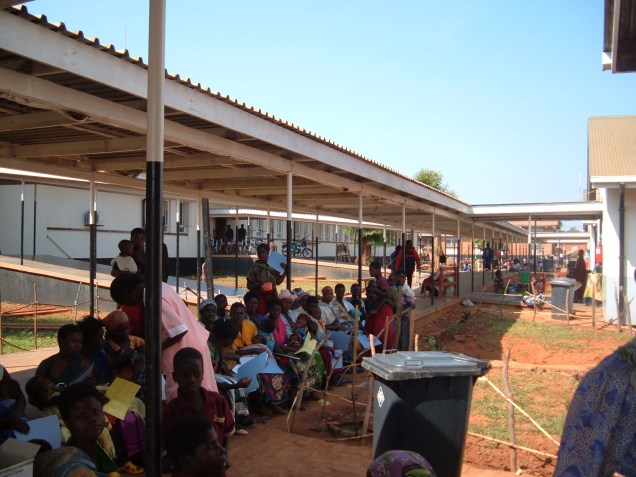
Hospital services are delivered outside and inside.

I was told that the children’s wing was tiny and unequipped. Still, I was unprepared for what I saw when I stepped out of the air-conditioned SUV. My long linen skirt fluttered in the breeze. Simmering stew scented the air.

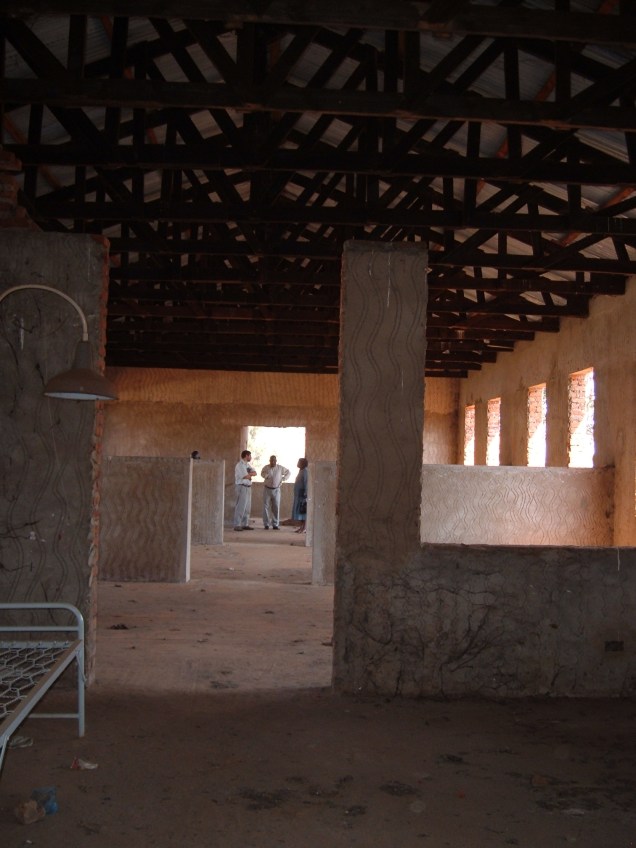
The hospital director greeted us warmly and led us to the wing that held the new pediatric ward, as yet unoccupied. There, he introduced us to the head of the pediatric department. They both beamed with pride. The cement floors were completed, the walls were up. The wooden roof was still open, and cabling had begun for electricity. 

2007_0615malawi0006

The new pediatric wing under construction

Rudi, our project director in Lilongwe, told them that we would have more funding for the pediatric wing. They gasped with delight and hugged all of us.

From there, we returned to the main hospital building. At the entrance to the existing pediatric ward, we stepped over children sleeping in the hallways. The children’s ward had seven beds, but they were empty. Forty or fifty children sat on cement floors, outdoors, where there was no roof. An open sewer for gray water ran along the walls to its terminus, also open, around 50 feet from the building. The terminus had been recently upgraded.

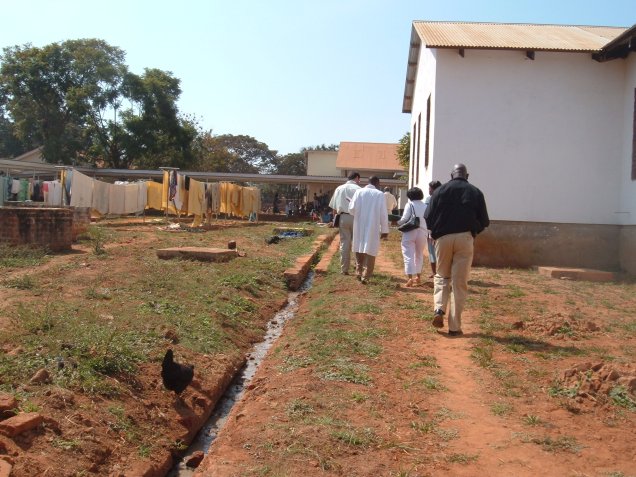
Where the cement floors ended, the courtyards began. Here, there were families camped out, cooking, washing laundry in plastic tubs. In addition to the people, there were chickens running around and a few goats grazing.

2007_0615malawi0010

The chicken on the left joined part of our tour.

“The families live on the grounds of the hospital however long they need to,” the director said. “There is not enough staff to care for the kids overnight, so their mothers take care of them.”

As we returned to our car out front, oxen were parked in the driveway, calmly waiting their owner’s return. We thanked the staff, waved goodbye, and drove around the oxen.


That weekend, I took a trip to Liwonde National Park. The employees in my office urged me to take a private car, but I insisted on the bus. The local buses were equivalent to a Volkswagen minivan, but with moving seats and twenty-five people shoved inside. The ride took four hours with people constantly climbing on and off, and rearranging people and their packages to fill it all. A woman boarded holding a baby on her hip and a guinea fowl by its wings. As she got settled, she would hand the bird to different people. At one point, she ended up sitting next to me. I gave her a look that said don’t even think about handing me that thing and it worked.

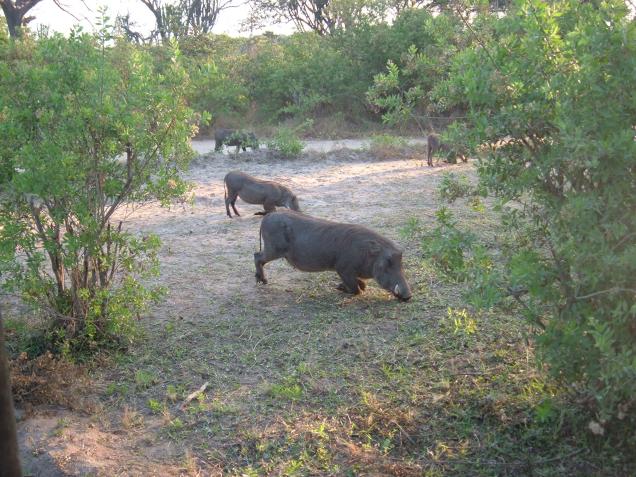
Liwonde National Park for me was like finding a new religion, so I was ebullient when I boarded the bus at the end of the weekend to return to the city. On the boat into the heart of the park, I had seen hippos and elephants. My cabin at Mvuu Lodge opened to a lagoon and a crocodile floated by my terrace. Hiking, I had spotted warthogs eating while on their knees (they’re my favorites), monkeys with bubble-gum-blue balls, baboons, impalas, kudu, sables, waterbuck, and zebras. From the dining room, we watched herons, storks, and rainbow birds in flight.

2007_0615malawi0090

The underappreciated warthog

On the bus ride back to Lilongwe, I sat next to a different type of passenger. He was a man in his twenties, holding a boy of maybe five, slumped against his shoulder.

“What is wrong with him?” I asked, before sitting next to him. I was worried that he might be contagious.

“Malaria,” the father said. “I am on my way home from the hospital.”

The boy was lethargic and barely responsive. I watched him drift in and out of sleep. I wondered what they did for them at the hospital, how long he’d waited, and how much money it had cost him. I pictured the hospital I had just visited, my first, the scene I will never forget. The kids and mothers in labor on the cement floor, the families hanging their laundry on lines. I hoped they had medicine where the father took his son. I hoped they’d hydrated him. It did not look it. If they did, I hoped the needle was sterile.

At a stop, the father got up. There was a small stand selling bottled drinks, American brands. I handed him the kwachas I had, probably five or six dollars’ worth.

“Orange juice, not coke, ok?” I looked the man straight in his face. As he carried the limp boy off the bus, I was still pleading, “orange juice!”

Everyone on the bus thanked me and called me “sister” for the rest of the ride. As people got on and off, they made sure there was room for my bum on the rickety seats. They stood to help me and my bags off the bus when it was my turn to exit and we waved goodbye.

Dear Reader, if you have not taken a safari, you should take one in your lifetime. If you have not toured a health facility like the ones that the vast majority of the planet has access to, you should. Finally, when you travel, always talk to people, listen to them, engage. Tell them stories about your life. Bring photos of your family and show them to people. Ask lots of questions. People love to share and to learn about you.


Some More Favorite Photos

IMG_20171205_103801


24296324_10155065335916787_3230242754900613374_n


IMG_2465

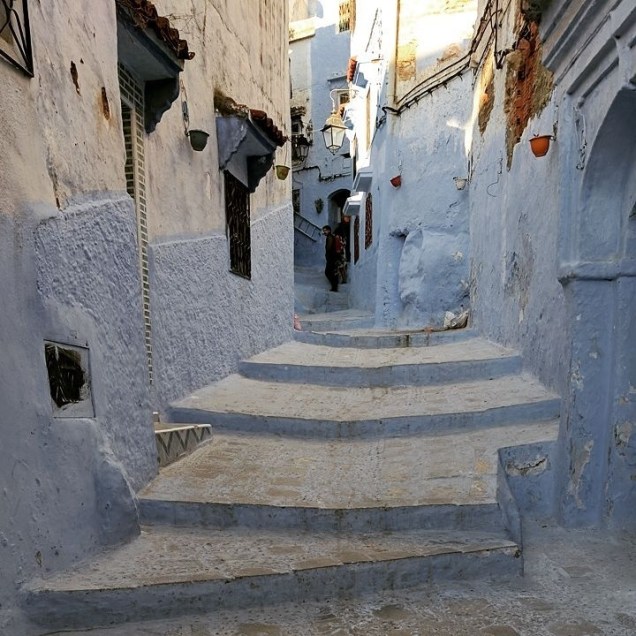
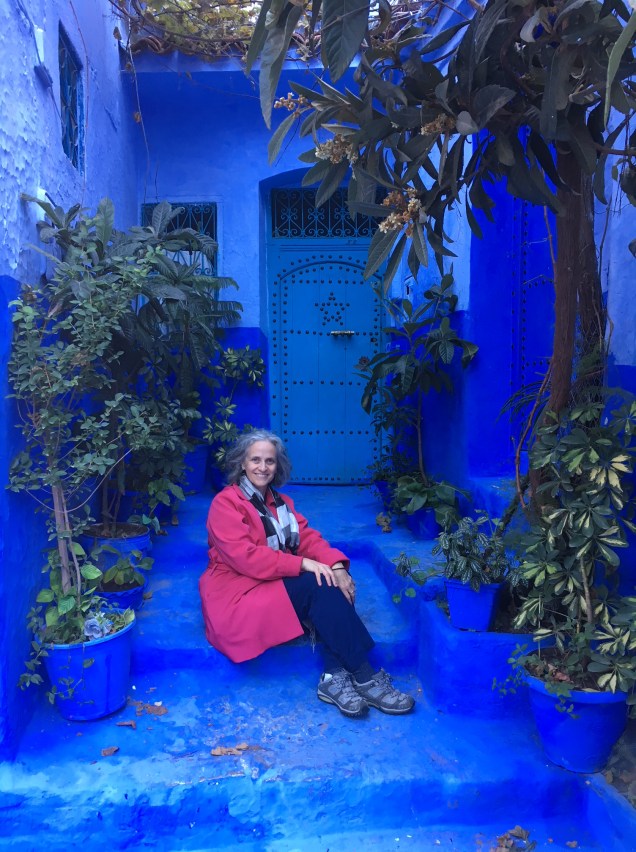
These three are in Chefchaouen, Morocco — it’s impossible to take a bad picture there!


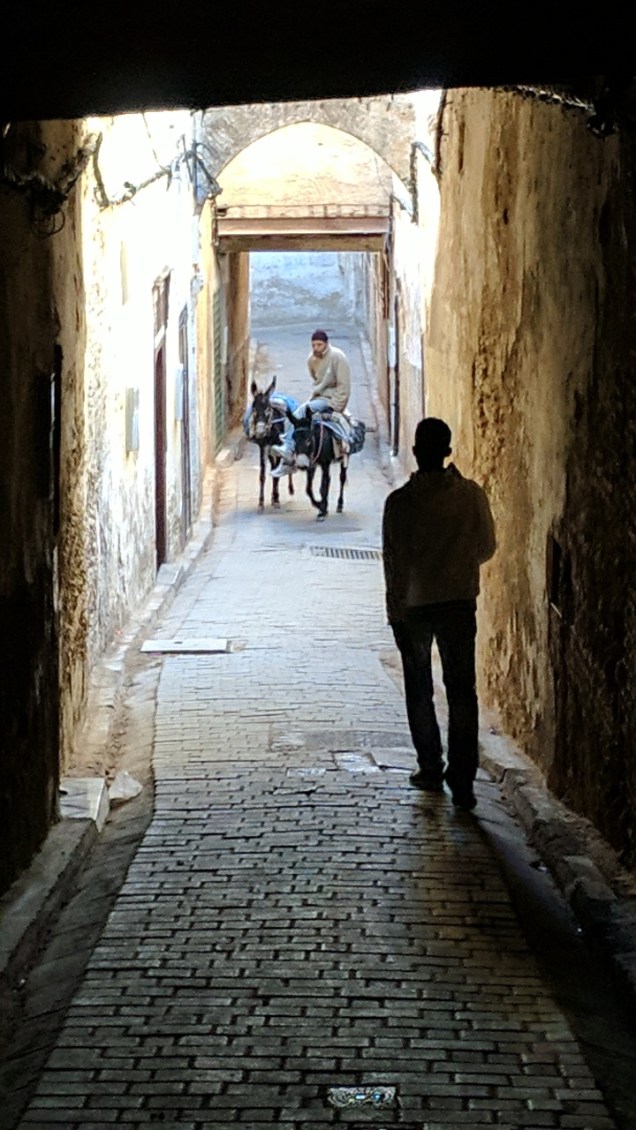
IMG_20171207_101305Fez, Morocco

This one was totally spontaneous. My cousin, Tammy, tapped my shoulder and said, “get that!”


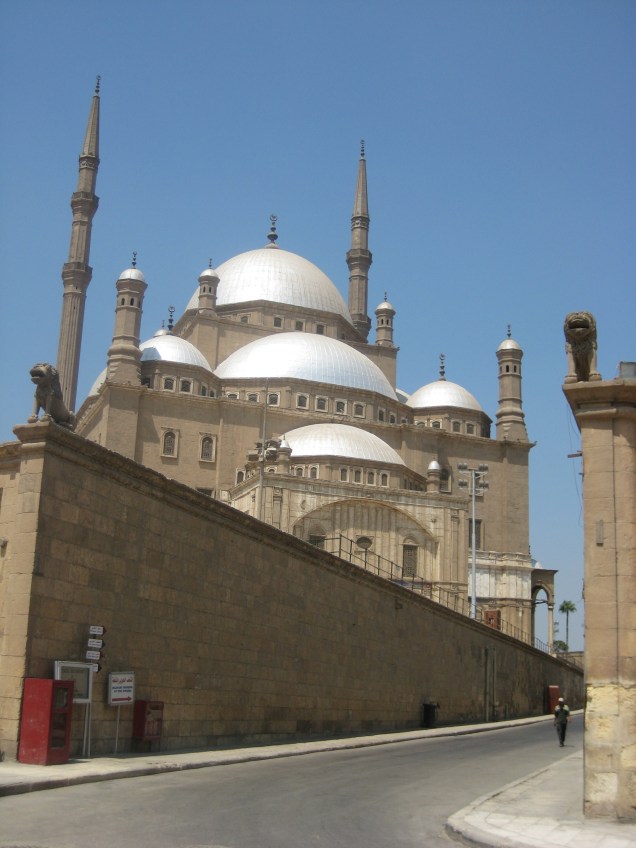
egyptPedestrian passes a mosque in Egypt. That blue sky is NOT Photoshopped.
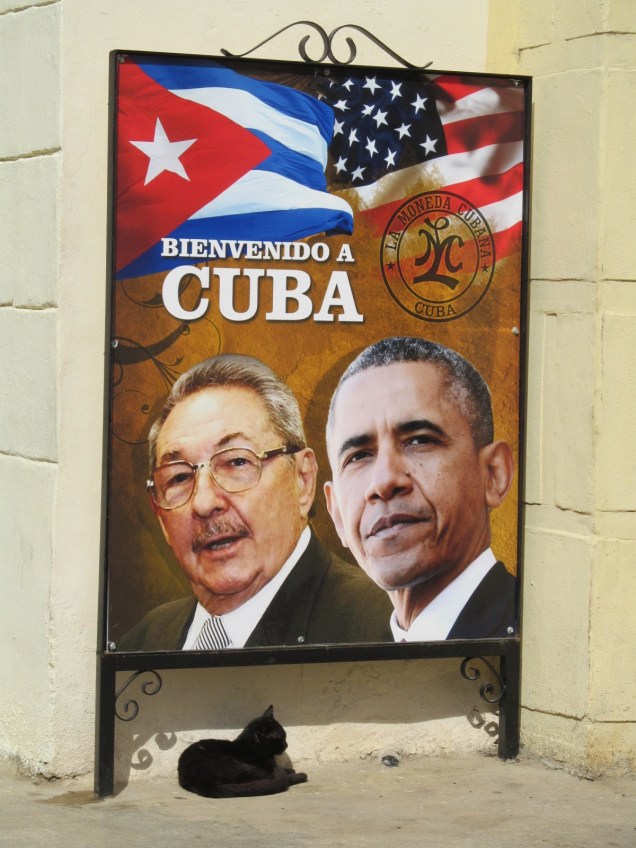


IMG_1135 flag peace topOld Havana, Cuba

Unbelievably, my friend Laurie and I were there at the same time as President Obama! The Cuban people were so psyched about his visit and so hopeful about their future relationship with the U.S. We were all so optimistic. Now this just makes me sad.


IMG_20160225_171014467_HDR

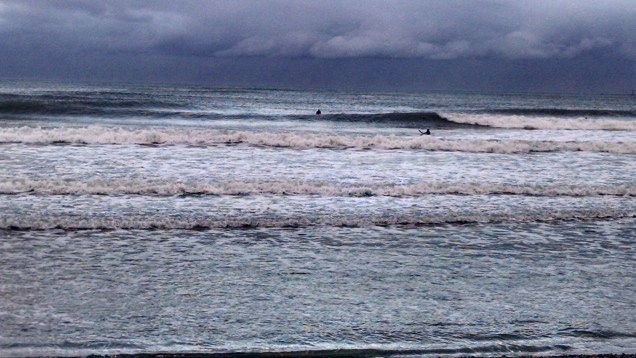
Bonus photo: a beach in New England, close to my home. Sometimes you don’t need to go far.

Look Closer

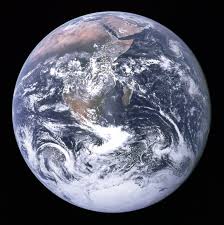
The Blue Marble

The Blue Marble

One of the things that appeals to me about travel is that you board a metal cylinder and pop out the other end in a different world from the one you left. When I was early in my travel experiences, I found that as I traveled more, I craved even more different worlds from my own on the other end.

Growing up in the United States, my journey began with dips over the northern border (to Niagara Falls) and the southern border (Tijuana, when it still considered pretty safe). I moved to Eastern Europe for work when I was in my upper twenties. At the time, I had a two handfuls of countries under my belt. I was determined to see as much of the region as I could while I was there. After two years, I moved back home and  took a job in Boston that offered opportunities to travel to Western European countries. It was not enough and after two years I took a job where I supported a small set of Latin American countries. Five years later, I went looking for a position that offered the possibility of travel to Africa. I traveled to a dozen countries in Africa over my seven years there. Then I left that organization for a gig that put me in Dhaka, Bangladesh.

4-2B057

Christmastime in Dhaka. It’s freezing by the way.

Let’s stop there. One lesson that I learned during these years is that new destinations continued to stump me and cause wonder. I arrived in Mozambique expecting its neighbor Tanzania. It was not. I arrived in Costa Rica expecting Belize or Panama. It was neither. It was time to stop assuming stuff and just open my eyes and watch. One thing I’ve learned over thirty years of travel is that my journey is still a work in progress.

And then something else happened. It wasn’t a different world I was finding; it was the same. I leaned in and looked closer. People, families, meals together, a grown daughter’s wedding, a college graduation, holiday festivals, funerals. It was the same world, but it was wondrous for me and life to them.

Recently, I listened to a podcast interview of the first Iranian woman in space. I don’t think I had ever heard an astronaut speak so beautifully about the experience. When viewed from space, Earth has no nations and no borders and no tribes. We live on an orb of greens and browns and blues and whites. Boundaries are built by humans. And humans should tear them down.


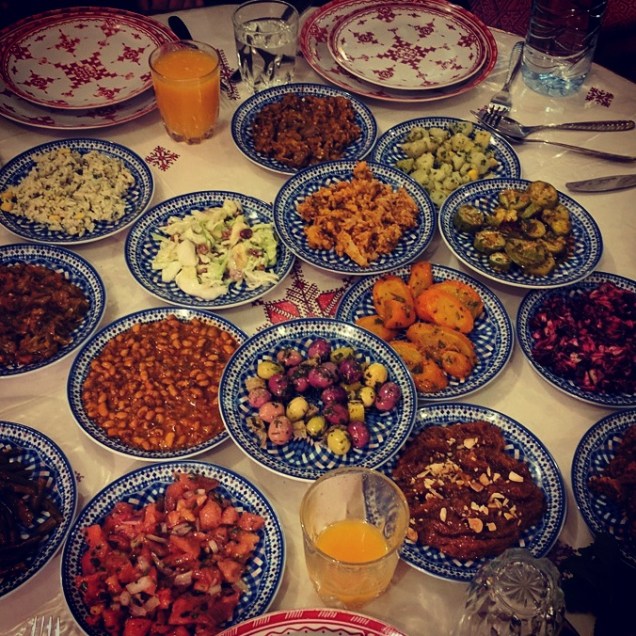
Eating in Morocco

IMG_20171206_150052_972Restaurant Nejjarine in Fez

This was my favorite meal in Morocco. It’s a great destination for vegans.

Also, love the dishes. Bonus points for the beautiful display.

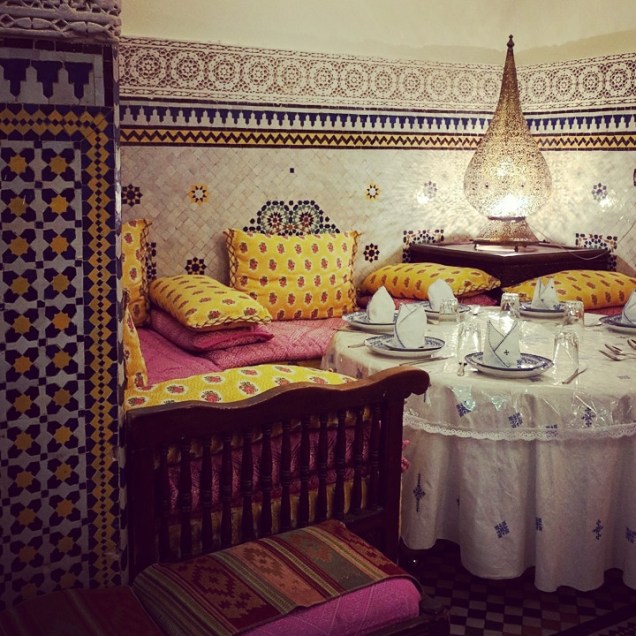
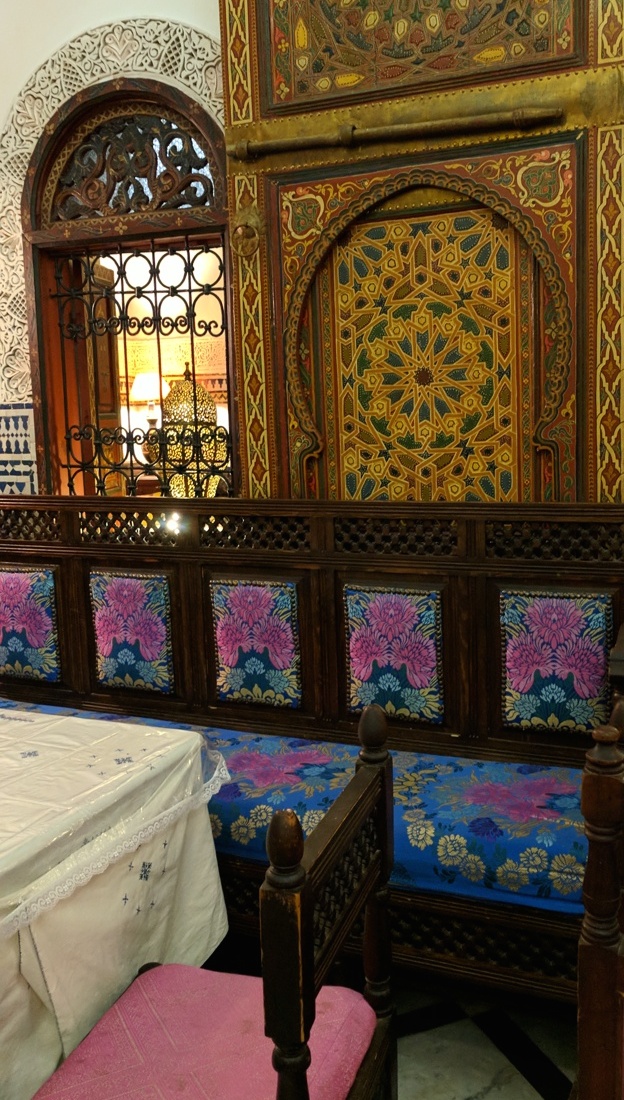
The restaurant was decorated beautifully as well. It was difficult to get photos without diners in them, but I snapped a few.

IMG_20171219_175808_823

Check out that lamp in the corner. It’s intricately cut brass. I regret not hauling one of those babies home. There were many shops in Fez selling these lamps.

IMG_20171206_150318

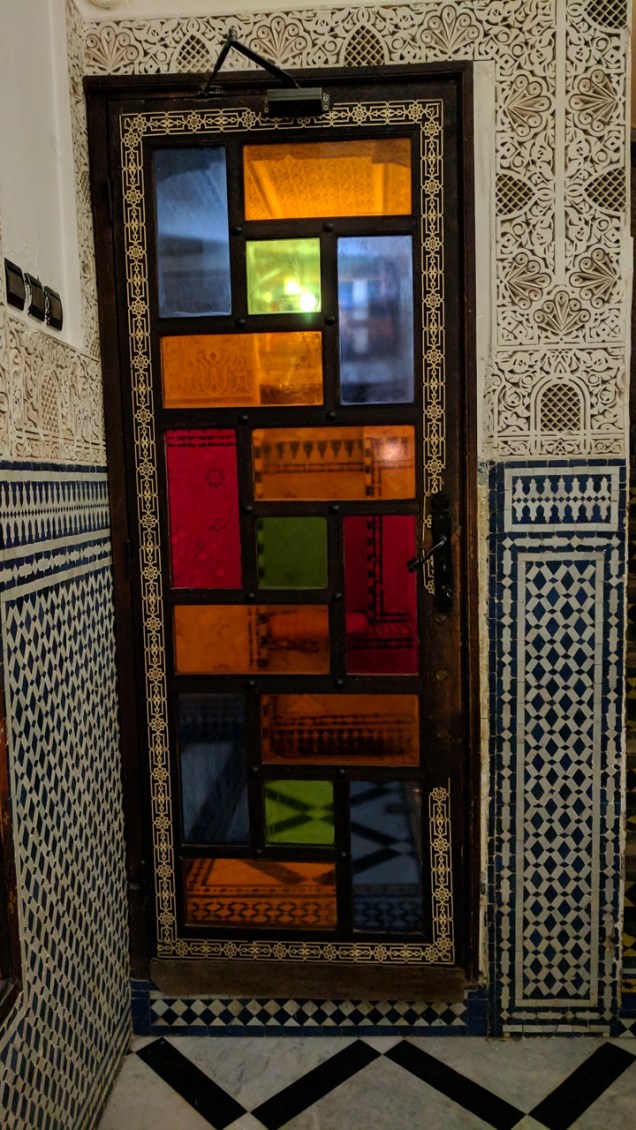
Random door leading to a private area of the restaurant. I’ll take one of these doors too, please.

IMG_20171206_150420

Yes, I would be happy to sit here, thank you. Another corner, all different, all gorgeous.

Since this is a food post, one last photo…

IMG_20171206_131619 crop

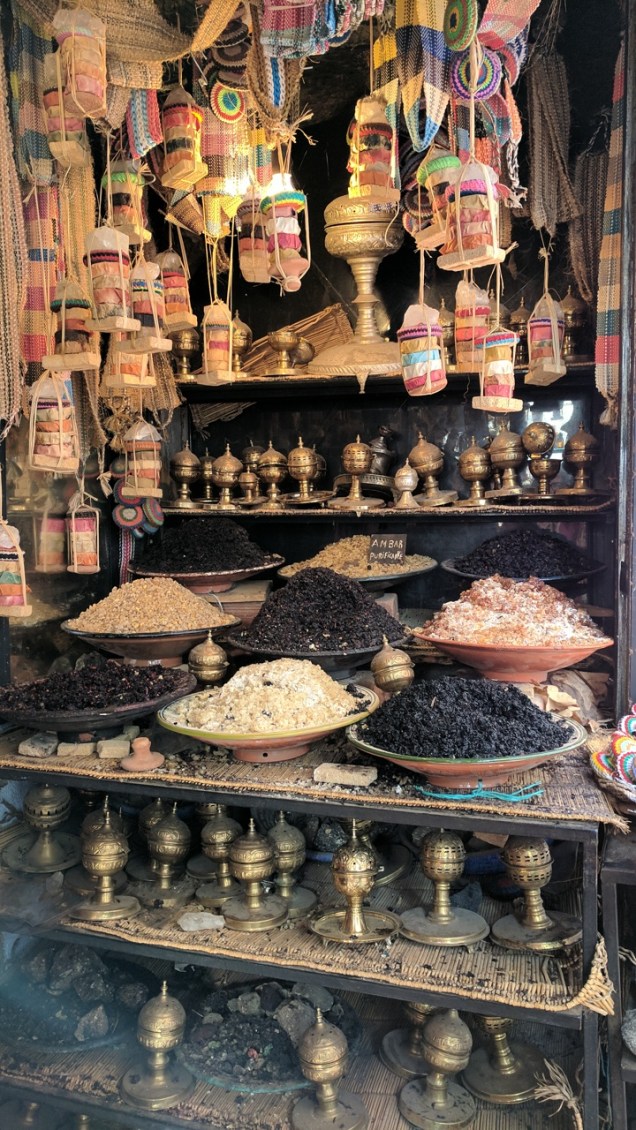
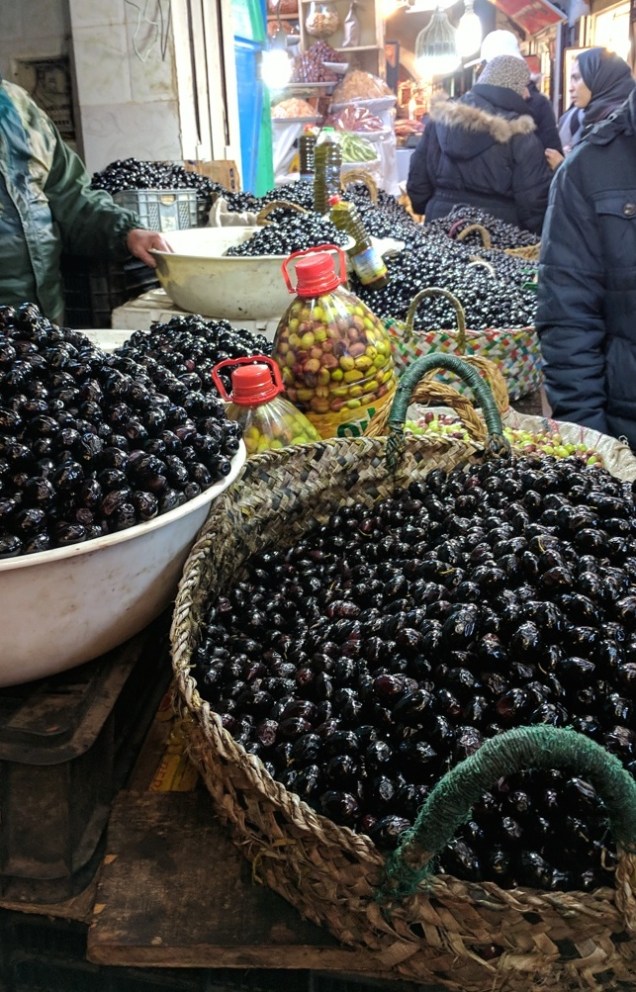
In the market, not far from the restaurant. So many olives!


Cuban Art and Framing Tips

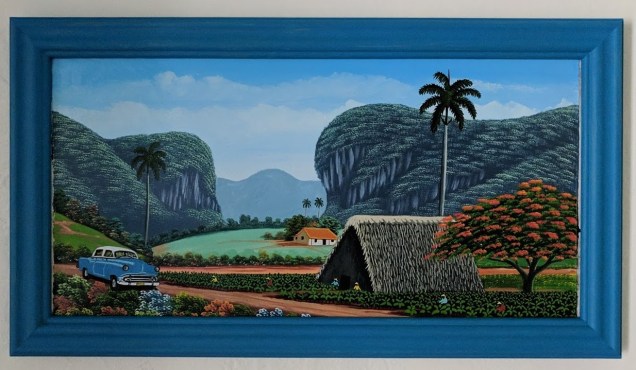
I bought this painting in the countryside in Cuba. It is a happy memory of Cuba that hangs over my bed 🙂

IMG_20180707_122956_788

I think this is oil. Don’t you love the antique car?

When I travel, paintings are one of my favorite things to buy. You have supported a local artist who made something with his or her hands, and the piece has a story, and you have a wonderful memory. Everybody wins.

Cuba has a wonderful, rich cultural tradition: music, dance, and visual arts. For a country with 11.5 million people, it is amazing that they offer some of the best musicians, dancers, and artists in the world.

Outside of Havana, our tour van stopped at a home where we found several exhibition rooms. The couple who owns it provides classes for kids in the community, displaying some of their work as well as that of several adult artists in the town. This piece was about US$45. Every time I look at it it makes me happy. It is so vivid and cheerful. I experienced that a lot in Cuba: vividness and cheer. The Cuban people have made the best of some extremely difficult circumstances and they have a spirit that will endure in your mind long after your visit is over.

Tip #1: Art is light and easy to carry home. Lay it flat in your suitcase, preferably in brown paper wrapping, sandwiched between clothes, or roll up the canvas, also with paper around it. If the canvas is on stretchers, making it more awkward to carry, you can have the artist remove the stretchers. I did that with this one and rolled it up:

IMG_20190403_163645

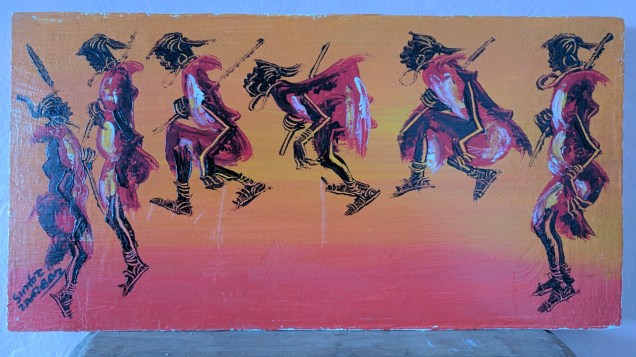
Acrylic on canvas Simba in Zanzibar 😀

Unfortunately, the paint that he used was either low quality or the canvas wasn’t sized (gessoed) or something. As you can see, there are a few faint white vertical lines from where the canvas was rolled and slightly crushed from the weight of my clothes. Some paint chipped off. Oh well. The piece was $20 and I still love it. It’s so full of energy.

Tip #2: About framing local art: the sizes are almost always *not* the standard sizes we use in the United States. This will make it more difficult to frame when you get back to wherever you live. I like to be thrifty. I will *not* spend $300+ framing something at home. No joke…

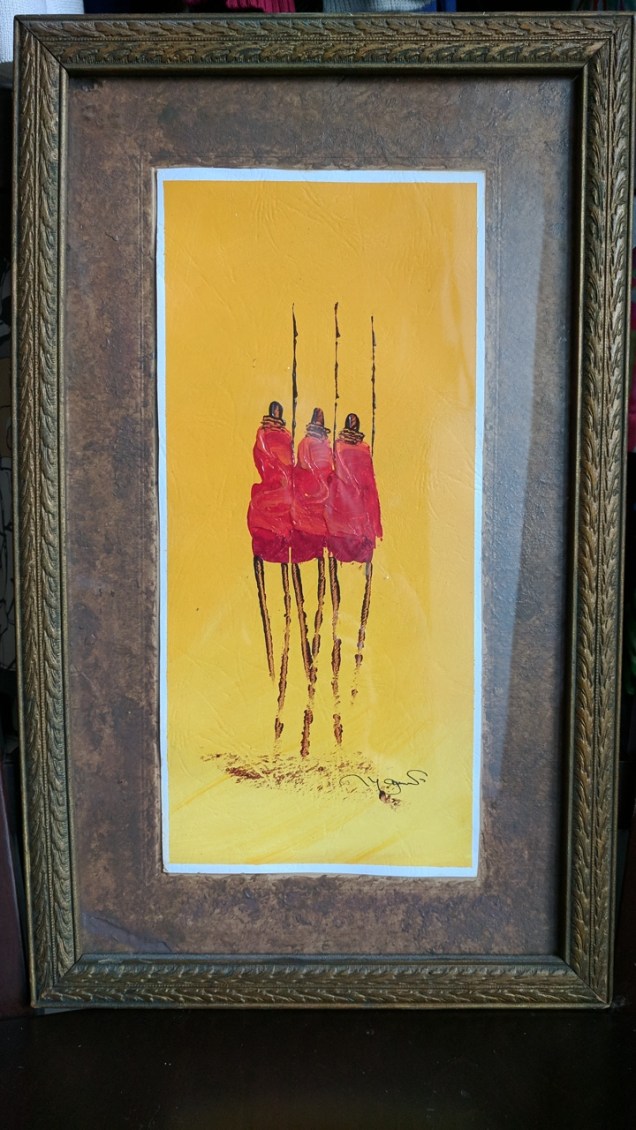
Once in Kenya, I bought a lovely little painting on thick paper of two Masai in reds and golds. It cost about US$7. I went to a framer in the basement of an art supply shop that I knew to be reasonably priced, at least their art supplies are. I picked out basic framing and matting. It was a small piece and I wanted the art to pop, not to be distracted by what surrounded it. Their price? $135. I took my $7 piece of paper and left.

It took me a few weeks, but I scoured antique and vintage shops around my city, Masai painting dimensions scribbled on a scrap of paper in my purse. I was lucky to find an old piece in a frame that was perfect and cheap, and the matting in it was also a good size. The problem? It was old. The matting was badly stained and had a small tear. Just a little effort and creativity goes a long way. And then in the end, you feel good about your work as well. I took a freshly brewed tea bag and after letting it cool, sort of “sponge painted” the mat. Spongy tea-colored stains hello, old water stains good-bye. You’ll see from the picture below how the tears look (upper left corner tear is barely visible, the lower left corner a bit more) after I taped up the back.

Voila!…

IMG_20190403_183539

Masai in antique frame

It’s prettier in person, but I was not about to go removing the image from behind the glass, as you are supposed to do to get a nice quality photo. There are old nails in the back and the parts are a bit brittle.

More about framing: with the explosion of online shopping, you can easily buy custom-sized frames and mats and save yourself a boatload of money over frame shops (sorry, local frame shop owners, but you may need to do better). Frames you buy online are often still handmade by someone in a shop. DO READ REVIEWS. The frame you see my Cuba photo in is from an Amazon shop called The Rusty Roof – made in the USA. I let my Cuba painting sit in that frame for months, disappointed by the washed out color. I’d been expecting something richer. Well, a sample-sized jar of paint from the local pain shop can solve many problems. I bought this vibrant turquoise for $3, applied two coats, and now it is one of my favorite pieces in the house. It hangs above my bed and, oh, happy me!

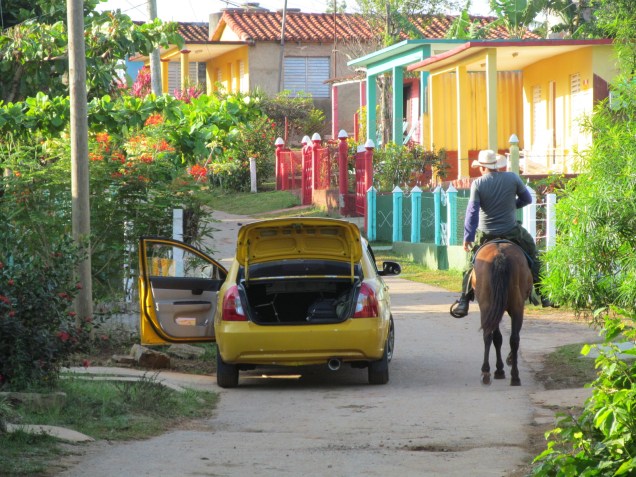
Tip #3: You can make your own art from photographs. I snapped this one in a small village. It was a moment I could see developing for just a few seconds. As the taxi pulled to a stop next to the rider, I knew I had only a couple of seconds to dig out my phone and snap. I didn’t have time to set anything up, zoom, or think. It just worked. My phone is a Google Pixel. It takes wonderful quality photos. Thank you Google.

IMG_0981 fave?Cowboy in Cuba by Kimberly Hirsh

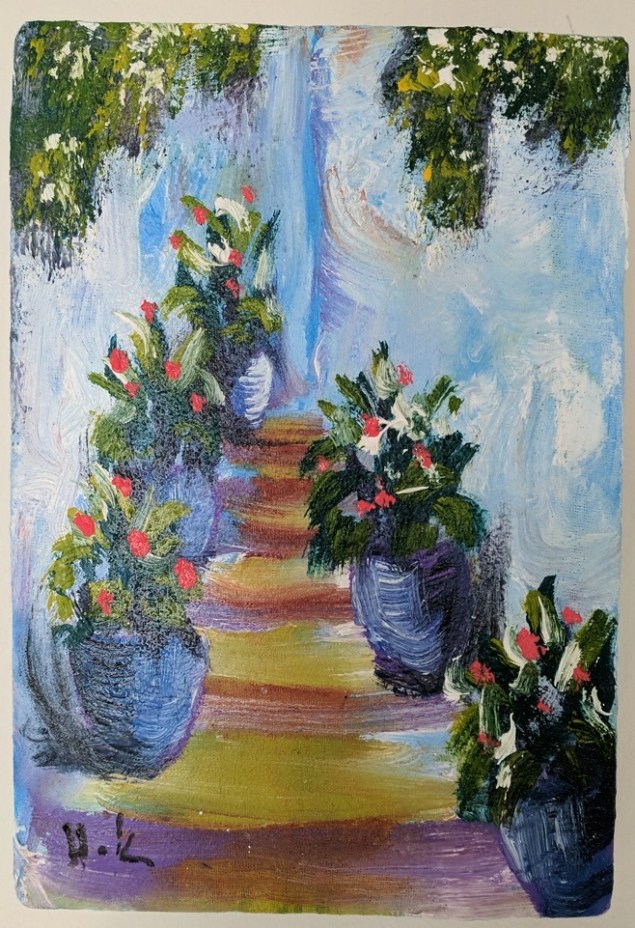
Tip #4: Go small. I’ve been doing that more and more as I cover more traveling miles and countries. I find I just don’t need stuff any more. But I do like to support local artisans and a little keepsake brings joy. This was my most recent:

IMG_Morocco

The magical blue city of Chefchaouen, Morocco

This painting is TINY – a mere 5.5 inches x 8 inches. I brought it home on the stretchers since it was small and light. I popped one nail on a narrow wall in my bathroom and done! Frame not necessary.

Note: I HIGHLY recommend Chefchaouen! You could take photographs for days and not want to leave.

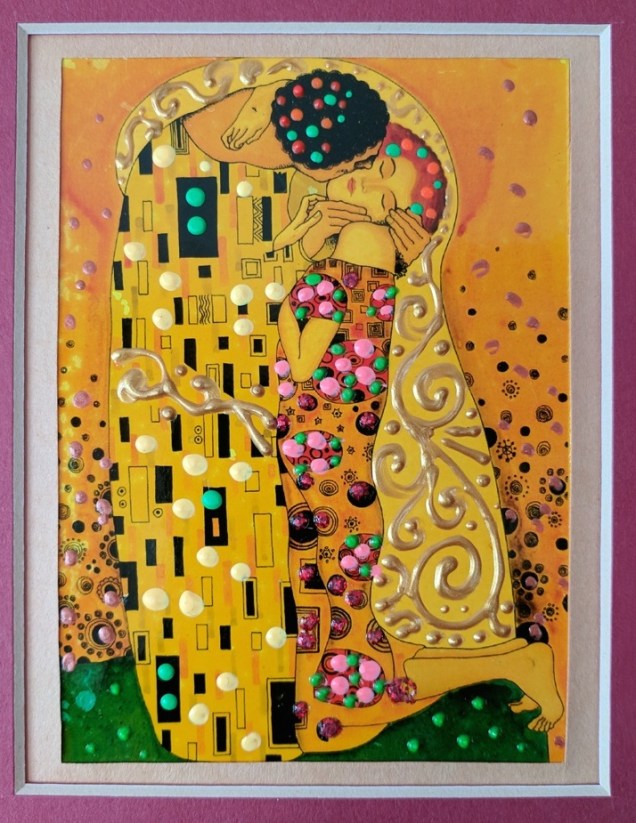
My Klimt-esque piece from Barcelona is another tiny one:

IMG_20190421_095432 klimt

I bought this at a stand on the Passeig de Gràcia, a main strolling street. It fit perfectly in a standard mat (you get a glimpse of the red) and framed to 5×7 inches, both purchased at home in the U.S. I’m not sure if you can tell from the photo that that the piece mixed media, meaning all those dots appear glued on and maybe laquered over and the gold curlicues are raised. I love this tiny thing so much (I mean, who doesn’t love Klimt?), I went back a couple years later hoping the artist would be there so I could buy some more. He was not. 

Lesson: when you see something small and inexpensive that you love right away, buy it right away. There are few things that you will ever remember and regret passing on, but art is one of them.

Birthday in Burkina

Burkina and 032

It was not the only birthday I had spent overseas, just the worst one. I had very much not wanted to go on that trip. The preparation was nerve-wracking, the trip itself was miserable, and its purpose lying on the other end was miserable. Plus it was really hot and everyone spoke French.

I was living in Kigali, Rwanda working for a global health non-profit headquartered in Boston. I had recently accomplished the elusive mid-career change from the technology industry to non-profit. I had wanted to get out of a workplace driven by quarterly earnings and stock prices and instead help some people who needed it. Instead, I found an arrogant, neo-colonial business run by charading do-gooders who abhorred the word “business”. A place where white doctors and ascended African doctors stayed only in the nicest hotels, lived with servants behind barbed-wire-topped fences, and had drivers take them from home to office to expat restaurant in air-conditioned SUVs. On top of the irony of all of it, the irony that I continued working in this rank soup also was not lost on me.

When the job in Kigali came up, I jumped on at a chance to transfer out of headquarters. It got me away from the worst people. In general our employees in the field were much nicer and doing some good work. Most of our employees in Kigali, including some of the management, were Rwandan.

They put me in a furnished apartment that was nice enough and I walked to work every day. My job was onsite at a Rwandan government agency, working with the staff in the Human Resources office, helping them with contracts and computer systems, writing policies and organizing meetings.

Without sound rationale, my boss in Boston continued across cultures and time zones to press me for service. I often did extra tasks for Lenny in the evenings after a full day in the office.

One day, Lenny had an unusual demand. He had decided to fire someone in Africa and thought it was a good idea for me to go there to do it. In person. For him.

The gentleman in question lived in Bobo-Dioulasso, Burkina Faso. Getting there required more than two days of air travel over three hops covering more than 3500 miles, followed by a five-hour bus ride. I remained convinced it was not the best solution. Try as I might, I was unable to persuade Lenny that this might be better done by phone. Or by him. Or his deputy. They could fly there in less time from the United States. Flying within Africa improves greatly with each decade, but still it is not easy. I lost the argument.

Preparation for the trip required that I send my passport by express mail from Kigali to the Burkinabe embassy in Washington, DC to get an entry visa stamped in my passport. U.S. citizens cannot get a visa upon arrival at the airport, and of course there was no Burkinabe embassy in Rwanda, or anywhere near it.

For days, I lived as an American in Rwanda without a passport while it crossed the Atlantic Ocean. It was a strange feeling. I drifted from meeting to meeting almost constantly aware that I could not get out of the country, though the airport was a mere twenty-minute drive away.

I do not remember the reason for Lenny’s urgency, but my flight was mere days after I express mailed my completed forms and passport to D.C. We calculated that DHL and the embassy both needed to be at their maximum efficiency, with maybe two days to spare, to turn it around successfully.

The day before my flight, my passport, which was to be returned by express mail, was not back in my hands. I had been nervous and losing sleep all week. That morning, rather than my usual office at the Rwandan government, I went into my own company’s Kigali office. Everybody there spoke English, had functioning office equipment, and knew how to “work the system.”

DHL had not arrived. Job, the office manager, called them. The truck was out around town. The DHL office closed at 2pm. My flight was the next morning. Job knew I was nervous for days. We hopped in his truck and he sped around town, trying to track the DHL truck.

About an hour in, I said, “I think I am going to throw up.”

“Do Americans always have that problem?” he asked.

We laughed and laughed and cried until I thought I really would throw up.

At 1:30pm, we finally found the truck parked at an outdoor market, missing its driver. I ran around the market, darting around vendors and shoppers, looking for the driver. Then I saw a man in black shorts and a purple polo. I had my passport back in my hands.

The flight to Addis Ababa, Ethiopia departed the next morning, and I was on it, with my visa to enter Burkina Faso. I waited in the Addis Ababa airport for the next leg of my flight.

We flew to Accra, Ghana and sat on the runway there. We sat for hours. The climate control system was not working and it grew hotter and hotter in the high tech tin can on the tar runway. Africans of various nations got up from their seats and complained about the heat and lack of ventilation.

“Please take your seat, sir,” they were told time and again.

They complained out loud from their seats. I feared things could escalate.

We finally took off, headed for Ougadougou, the capital of Burkina Faso. Upon arriving at the airport, I had no driver to meet me per usual, because my company had no office there. I negotiated with a taxi driver with my ten words of French.

As we rode to the hotel, he chatted away in French. He was a friendly guy., which I would find throughout the city. I had found the Rwandan culture to be more reserved.

I managed to say that demain was my anniversaire. The driver gasped in surprise and smiled broadly, wishing me well. It was sweet. He knew I was far from home. I was a stranger to him.

He left me at my hotel where English continued to be of no use. While I was checking in at the reception desk, a co-worker pinged me on Skype to check on me. She was the only one to ask me how I was.

Burkina and 024

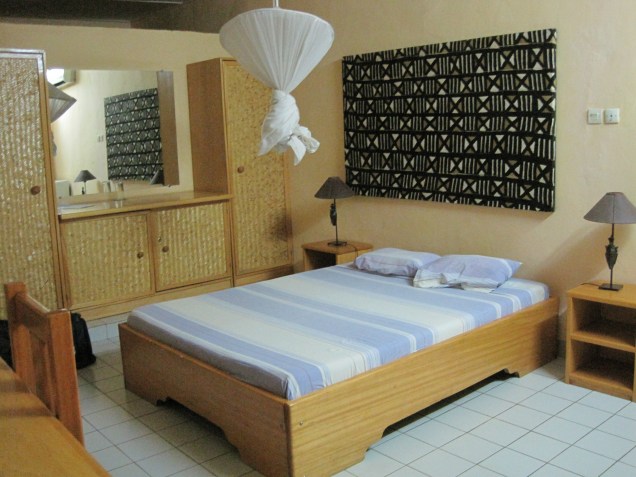
Ouagadougou hotel review: not terrible, but no A/C and it was a thousand degrees. Internet service spotty and only in the lobby. Mosquito net over the bed waiting to be unwound. En-suite bathroom on the other side of the cabinets.

The next day was my 43rd birthday, I took a taxi to the bus station and boarded an air-conditioned bus.

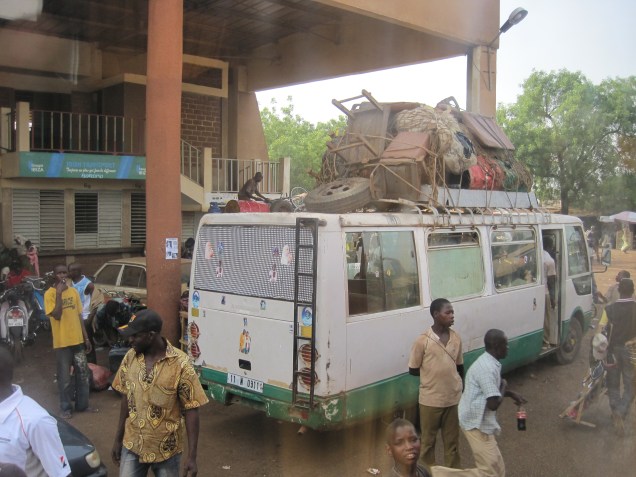
Burkina and 021

The Ouagadougou bus station (not my bus)

The ride was five hours to Bobo Dioulasso and I spent it listening to the English chatter of religious missionaries surrounding me. I longed for a return to French.

I checked into my hotel in Bobo Dioulasso, connected to the internet in my room, and called the gentleman I was to fire.

“I’m here in the city,” I said, “across the street in the hotel where I’m staying.” He seemed only mildly surprised, as though visitors had come through Bobo randomly before.

“Can you give me til 11 or so?” He said he would come over and we could have lunch here. I was getting sicker by the minute.

At a plastic table in a sun-baked cement courtyard over spiced cabbage and white rice he helped me order (je suis végétarienne), I told him he was fired. There I was, glowing white and sunburned in my wide boubou and he was a perfect gentleman. He wished me a happy birthday and paid for my lunch. I didn’t think I would keep it down that evening.

The next day, I boarded the bus to return to Ouagadougou and continue my journey back to Kigali. Why again was I there? There was no charm to the city and I did not want to walk around the hot streets in the open sun.

In Ouagadougou, I treated myself to dinner at the hotel restaurant, which was outside in a cordoned off section of the parking lot. I was told it was one of the best in town. There were tents set up on posts, the kind you would find at an outdoor wedding, strings of white lights in the trees, and bushes of birds of paradise in bloom, even in this desert.

After I told the waitress I was a vegetarian, the restaurant managed to prepare me a nice vegetarian meal, even though nothing was listed on the menu. They produced a nice variety of orange and yellow carrots, sweet yams, and rice seasoned with fresh herbs. I also requested the local pounded starch – fufu was the only name I knew it by – as it was always my favorite in West Africa. They served it with a bit of pungent peanut sauce.

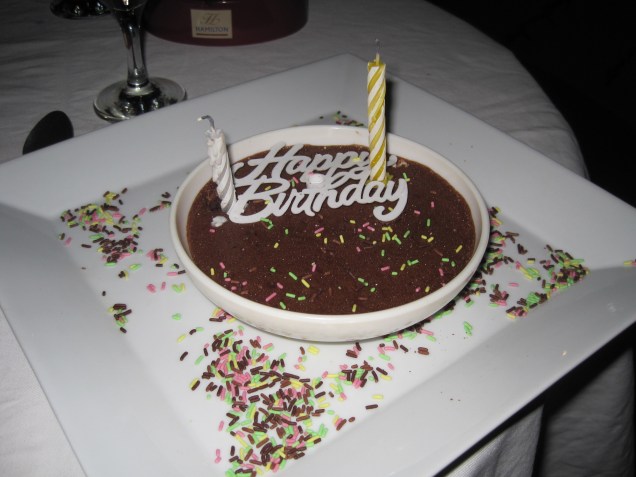
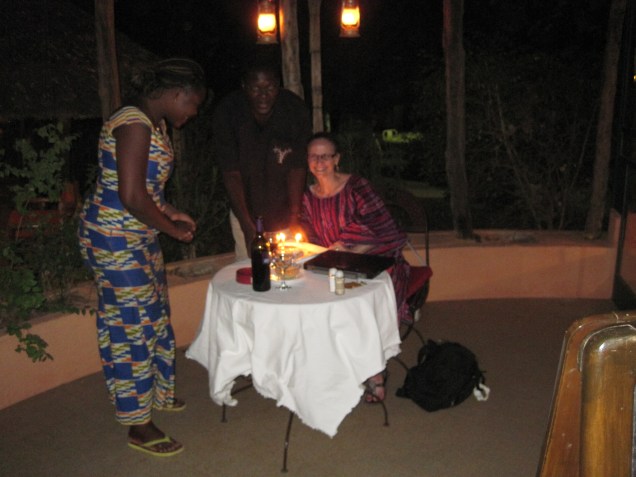
A team of three emerged, genuinely smiling and singing in French near enough to the tune of a familiar Happy Birthday. The waitress carried a silver platter and had managed to find two candles, burning brightly. She had the one cook with her and they’d managed to grab the front desk guy too.

The waitress placed the platter down on the white tablecloth and now I could see that it was mousse au chocolat. It was a perfect moment, one I will never forget. They clapped, we clapped, and they sang it again from the top. Then, the front desk guy had to get back, but the other two hovered to see if the dessert pleased me. It totally did. Somebody had produced a delicious chocolate mousse on the edge of the Sahara.

Burkina and 029My 43rd birthday