London: where to visit that’s not Big Ben or Westminster

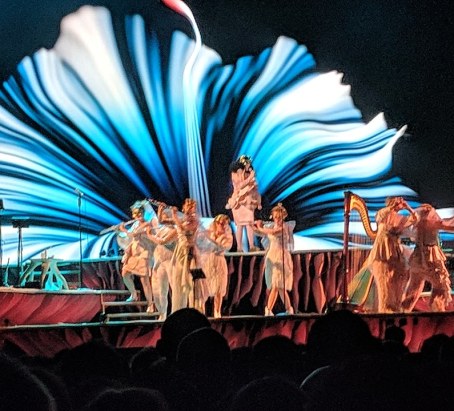
IMG_20191122_021252_794Bjork in concert at the O2 (love!)

For some reason, I took the same trip to London three times before deciding to see something new. You won’t be reading here about Big Ben, Westminster Abbey, or the changing of the guard at Buckingham Palace. You definitely won’t be reading about Stonehenge, which is on my list of Why?

On my recent visit to London, I stayed with a friend on the South West side, so my list is designed for convenience of travel from there. I was by the Raynes Park train station, near Wimbledon, and the destinations listed below took 45 minutes to one hour to reach. London is a big city, so be prepared for long travel times. Trains, tube lines, and buses provide outstanding coverage.

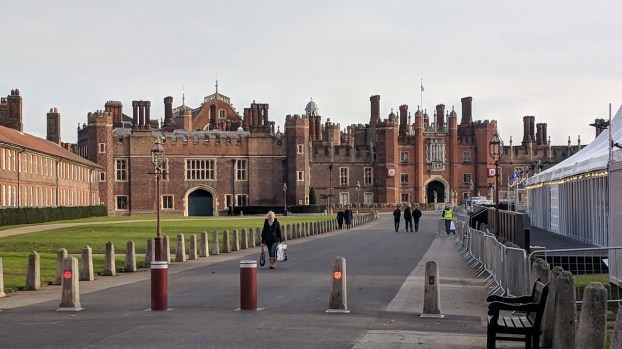
1. Hampton Court (5 stars)

IMG_20191120_132106

Built in the 1500s, this was the palace of Henry VIII. It’s remarkably well-preserved and dripping with history. The optional audio tour will refresh your history of Henry’s six wives and his break with the Catholic Church. Tour the medieval dining hall and the royal chapel. A series of kitchen rooms offers a rare look into food preparation of the day and excess of consumption. I spent three hours in Henry’s part of the palace and didn’t even make it to the newer, baroque side, and walked through just the part of the gardens open in winter.

2. Tate Modern (5 stars)

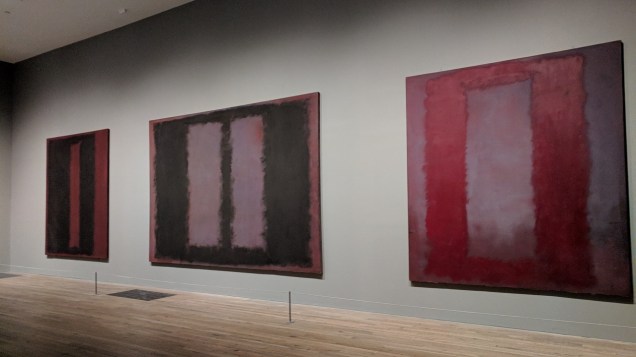
IMG_20191121_160351Some of Mark Rothko’s murals, designed for the Four Seasons in NYC

They have a top notch permanent collection – Rothko, Pollack, Krasner, Picasso, Degas’ Little Dancer, Kandinsky, Matisse – and fascinating rotating exhibits. Free admission(!) to the main collections and some of the exhibits. When I was there, exhibits included Olafur Eliasson‘s innovative projects, like his heartbreaking glacier melt series, Ed Ruscha, Helen Frankenthaler, and a Kara Walker fountain.

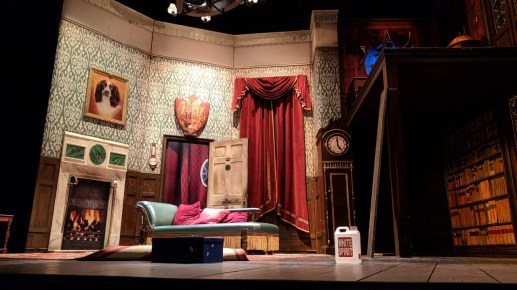
3. The Play That Goes Wrong/West End (4 stars)

IMG_20191121_191650

Clever comedy about, you guessed it, the production of a play where everything goes wrong.

4. Food (5 stars)

Food is important to me. I was very happy in London. Wagamama and Pret a Manger are two excellent chains with headquarters in London. Find food from just about every part of the world there. I had delicious dim sum one day. I passed a Basque restaurant in the West End. I didn’t try it, but Basque is one of my favorite regions for eating. There were vegan options everywhere, even at fast food chains and in train stations, like the parsnip and kale soup I enjoyed at Waterloo station. I found easy access to fresh juices and plant-based milks for my coffee.

5. Victoria and Albert Museum (5 stars)

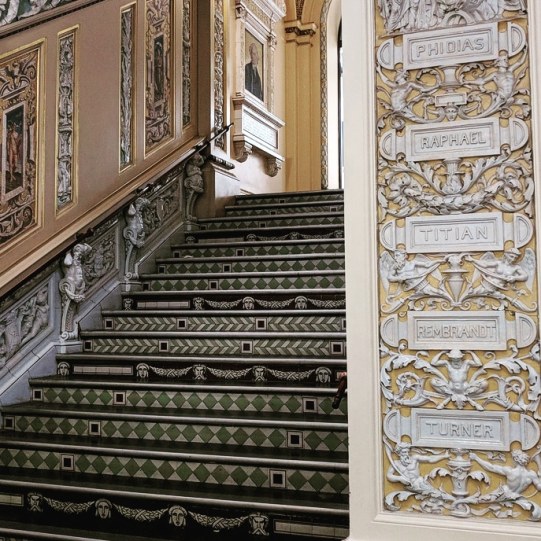
IMG_20191123_142007_834Ceramic staircase

The V&A is an expansive decorative arts museum. Wander the European rooms, Asian rooms, and others to find collections of silver, ceramics, furniture, clothing, musical instruments, sculpture, etc. etc. The Victorian cast courts housing reproductions of famous sculptures throughout the world were fascinating. There is a large Chihuly glass sculpture suspended over one of the lobbies. I spent a bit too much time in their interesting gift shop.

The sites that follow, I missed. They are on my list for next time I’m in London:

6. Dennis Severs’ house

The house was home to a Hugenot silk weaving family.  Ten rooms are set up representing different eras between 1724-1912. These tours sell out, so book in advance.

7. Brick Lane

This is a funky, hip neighborhood that can be explored any time, but I’d like to coordinate my visit with their Sunday market.

8. Historic literary district of Bloomsbury

There was not enough time in my 5-day stay there!


Grabado

IMG_20190803_140907

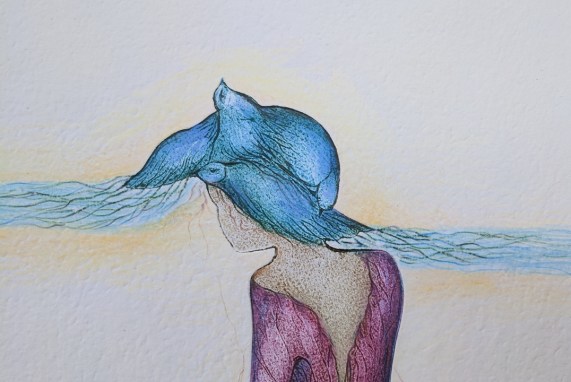
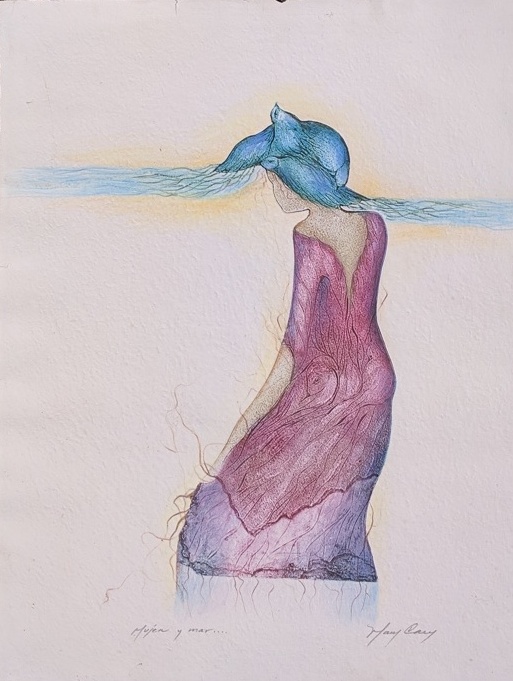
I have discussed previously what a feast of the arts Cuba is. This post is on the Cuban art of grabado — translated roughly as engraving. This piece above, zoomed in, is an original grabado print I bought there. It’s on a homemade-looking paper, something like thick watercolor paper. You can’t tell from a photo, but there is carving where you see lines. For example, the line around the woman’s face, chin, and dress is carved into the paper. Here is the full piece:

IMG_20190803_140720

It’s fairly big at around 17″ x 21″. The salesperson rolled it loosely and put it in a cardboard tube for me to get it home. When I arrived home, I took it out of the tube right away to lay it flat.

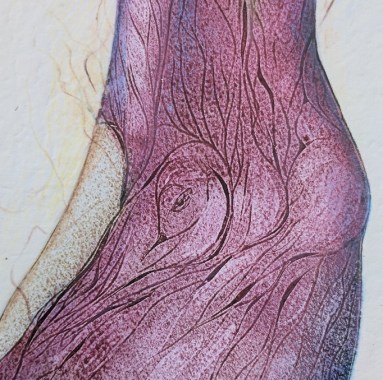
Only after I started taking photos, did I notice the bird theme from her headwear etched into her dress as well:

IMG_20190803_140915

The Taller Experimental de Gráfica is an open, factory-like setting where you can wander around various artists’ stations, see them work, and purchase items. I recommend a visit while you are in Havana. I bought this piece, entitled “Mujer y Mar”, at their well-stocked shop. I love it!

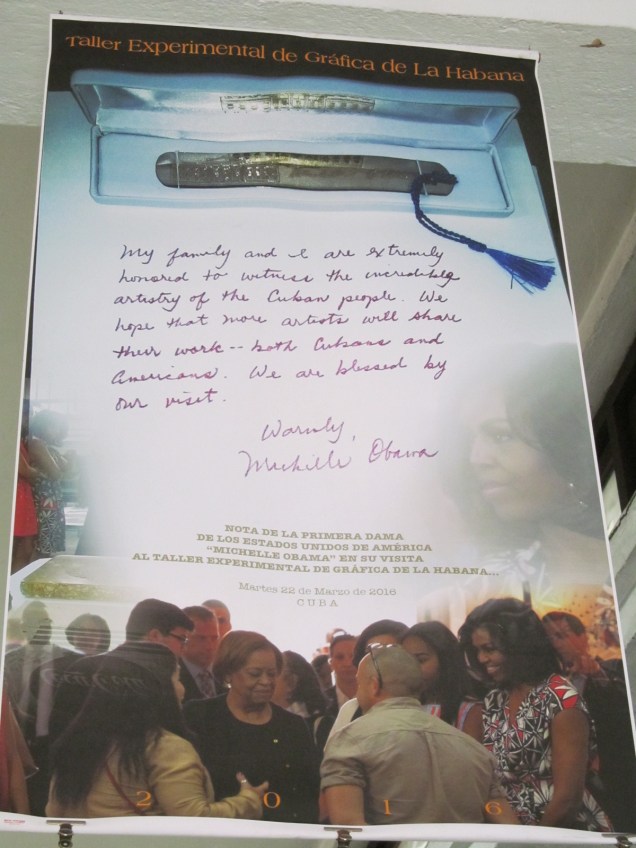
This huge banner, suspended from the second floor, greeted us at the entrance:

IMG_1137

As you can see, Michelle Obama was there, actually, the day before we were! The Obamas were visiting Cuba during our trip. This was not planned (we booked many months in advance) and some of our plans were disrupted by the security, but it was an exciting and optimistic time to be in Cuba! A couple of times while we were there, Havana’s streets started to crackle with excitement, people walked quickly in one direction as a small crowd gathered and followed, and a few people in the crowd took out their phones. After a few minutes of waiting with them, Obama’s motorcade drove by. I have no idea how they knew he was due. Ahh, those days…

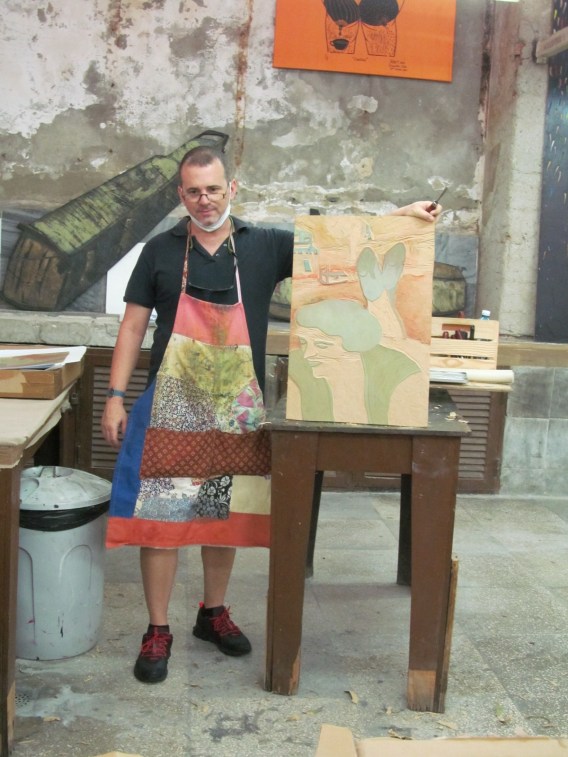
IMG_1139A grabado artist’s work in progress

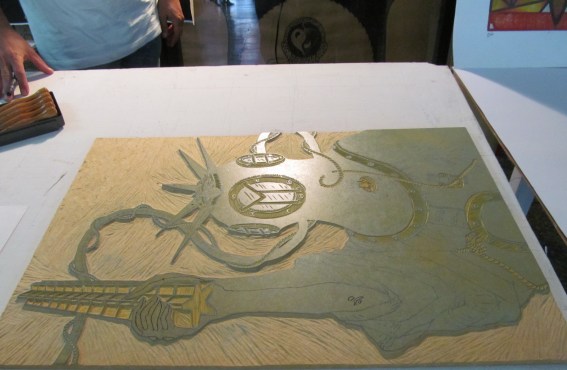
IMG_1143 copyA plate ready for printing

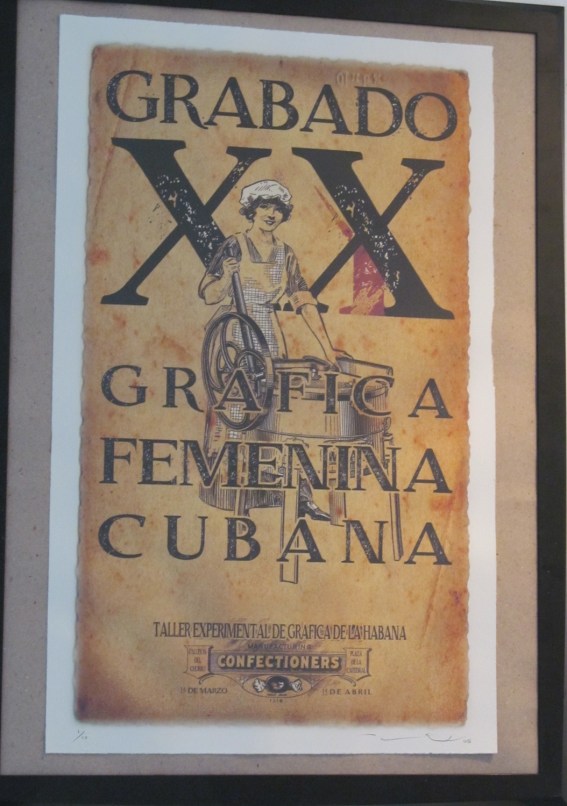
IMG_1136Celebrating women artists as well

If I had a list of top 5 places to go, but I don’t :-), Cuba would be on it. The architecture is grand, but crumbling. Embrace the atmosphere and wander the streets. You’ll find murals, sculptures, and music playing everywhere. The food is fresh and inventive (I heard this is an improvement from years past). The streets are an open-air art museum. The people, who have been subjected to so much suffering over the decades, are friendly and curious. Crime rates are low, health care is good quality and cheap, and there are many miles of unspoiled coastline and rainforest.

As of this writing, it is still possible to visit Cuba legally under the “support for the Cuban people” category, and others.

We took a tour with CET (in late 2016). There were 15 of us, all from the U.S. The cost was high, but I had a good experience with them. They keep on top of the latest regulations and are active advocates for the Cuban people.

Shortly after my visit, an art teacher-acquaintance of mine moved from the U.S. to Cuba to make it her home. Once there, Laura founded a travel company, CAA, that she now runs with her Cuban husband, Yasser. Their prices are more moderate, especially if your group includes a few people, and they will work with you to customize an itinerary.

If you’ve been on the fence about traveling to Cuba, I say do it!

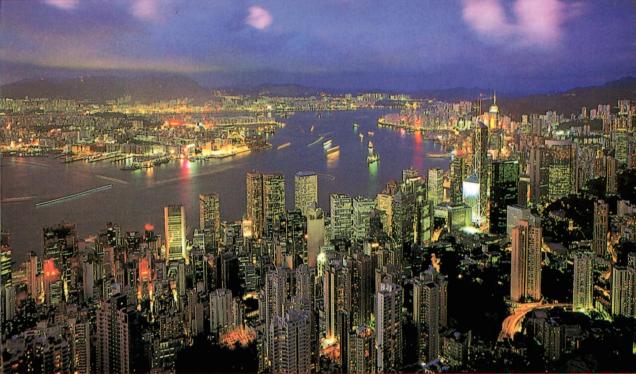
Hong Kong Before China

Park Hotel brochure

As I write this, Hong Kong is in the news. There have been massive protests on the streets by some accounts, the largest the world has ever seen. Since Britain returned Hong Kong to China in 1997, there has been significant change there, no doubt. However, Hong Kong has its own set of rules, allowing the people to enjoy some freedoms those in mainland China do not. The center of the June 2019 protests is a fight against extradition to mainland China of Hong Kongers suspected of crimes. For the people of Hong Kong, the prospect of facing China’s system is enough for great numbers of them to take to the streets.


I was fortunate to visit Hong Kong in a different era. It was 1991 and Hong Kong was still ruled by the British. It felt very much un-British-colony-like and very much like free Hong Kong. Indications of the British were noticeable in the form of high tea at the hotels and bi-lingual signs. (We did not see those on our visit to mainland China that year.)

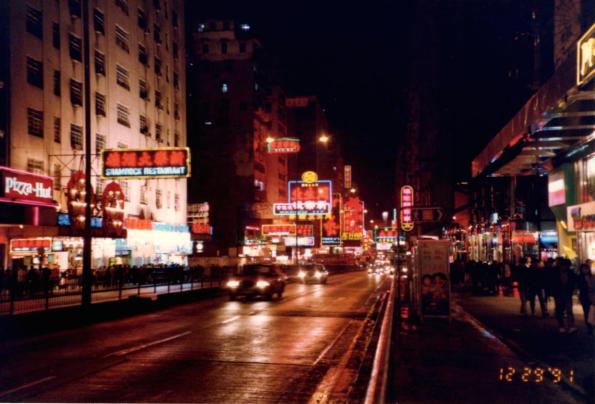
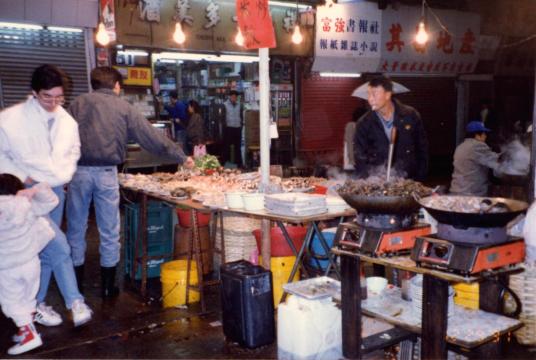
nightIn my grainy photo from 1991, note Pizza Hut at the left of the photo and a blurry “Shamrock Restaurant” sign to its right.

In 1984, seven years before my visit, Britain had agreed to return Hong Kong to China, so everyone knew it would be going back in 1997. Back then, China was mostly a mystery to those of us in “the West” — still quite closed and with its industrial revolution just beginning. In connection with the transfer of Hong Kong, China agreed to a “one country, two systems” policy. But Hong Kongers and the rest of the world were still waiting to see what would happen. There was a good deal of anxiety.


On Christmas Day, 1991, we flew into Hong Kong’s Kai Tak Airport. Kai Tak was closed later to make way for a larger airport, but to my eyes, it was completely modern. My partner’s parents were living in Japan at the time, so, along with his younger brother and girlfriend, we all met in Tokyo the night before to partake in a hazy, jetlagged Christmas Eve dinner at the reasonably-priced, but very Western New Sanno Hotel. (The New Sanno is for U.S. military travelers so for everyone else, no dice).

The next morning, we took a shuttle bus to Narita Airport. As we were bound for Hong Kong, I was practically bouncing off my seat, annoying everyone else, who wanted to sleep.

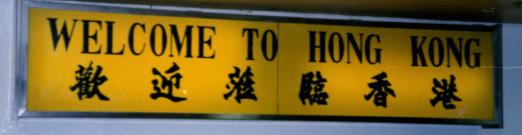
Kai Tak Airport was known to be one of the most challenging landings in the world for pilots. On the approach, planes had to fly very low over the skyscrapers on the Kowloon side of Hong Kong. We made it fine. Hong Kong immigration officials placed a royal-looking stamp in our passports (the seventh one in my collection) and we were greeted by this sign:

welcome

In advance of the trip, I had read my guidebook cover to cover, dog-earing pages and highlighting sights, markets, and shrines I wanted to visit. The guidebook had informed me that the period around Christmas and the New Year is a festive time in Hong Kong. Only a small percentage of the population was Christian, and it was my first Christmas party in an Asian country, but not my last.

By the time we arrived at the Park Hotel, one of the many sky-high buildings that cluster on the Kowloon side of Victoria Harbor, it was dark. I could feel the electricity in the air as we alighted from the airport taxi.

Everyone in my group was tired, but I was pumped with adrenaline. When everyone retired to their rooms, I was taken aback that no one wanted to join me. I could not even imagine sleeping. Why sleep? We were in Hong Kong before it was China and there was a party outside.

I left my suitcase and purse in the hotel room, stuck the room key in my bra, and went out into the strange, new city alone. At 22, I had already acquired the habit from college in Washington DC of not carrying a purse on city streets. But at that age, it was uncharacteristic of me to do anything alone.

Hong Kong! Bright, loud, and too tantalizing to miss. At that hour of the night whatever it was: 10, 11, 12 midnight — it seemed the entire population of 5+ million was out on the streets. People of all ages gathered in small parks, strolling, talking, and laughing. Toddlers careened around the city sidewalks littered with confetti and spent party favors. Fireworks exploded in the night sky while kids waved sparklers, lighting up each other’s grins. Senior citizens sat chatting on city benches as small firework fountains danced near their feet. Strangers smiled at me.

I had left my camera in my room as a safety precaution  one that was unneeded. But I knew that photos wouldn’t capture the nighttime festival, especially on my instant camera. A camera still can’t show joyful chit-chat, faces lit in a split-second of fireworks, smells of burnt toast and scorched marshmallows, and easy laughter.

I don’t know how long I wandered around the streets in a daze, marinating in the scene. No one seemed to be going home anytime soon. Eventually, I had to surrender to the jetlag. Back at the hotel, I descended into a deep restful sleep until my body allowed me to wake again. I missed the breakfast buffet the next morning.

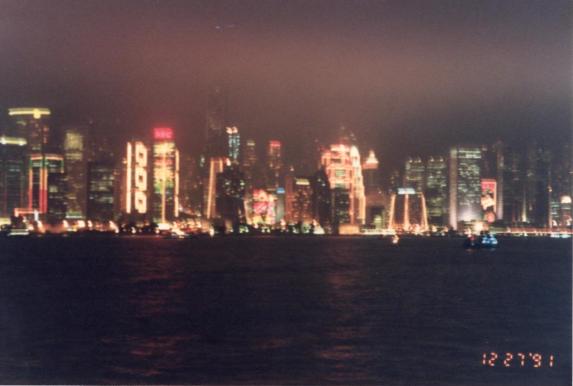
dinner cruiseView from our harbor cruise on the Pearl of the Orient

We spent a week in Hong Kong. It was was an amazing riot of Asian and British cultures. Lanterns and streamers festooned the streets. Charcoal grey worsted wool adorned Asian and English businessmen. English was spoken freely in the broad avenues, shops, and restaurants. Among modern, grid-like neighborhoods, pockets of narrow, jumbled market streets cropped up, offering colorful craft shops, steaming drums of soup, and seafood laid out in icy sidewalk bins.

fishThe shellfish was so freshly harvested from Victoria Harbour, it still pulsed. I stopped eating it.

When I got home and sent in my film cartridge to be developed, the developer lost it. I was very upset, as it was still early in my travel “career”. So I have very few pictures of Hong Kong and it is mostly left to my memories. In them, it is always nighttime and there are bright lights and fireworks. It’s fine with me.

~~~

Note: while researching this piece, I found this interesting story about Kowloon’s former lawless squatters’ city within a city. This place was not mentioned in my guidebook from 1991. The squatters’ city was demolished in 1993, but it is the type of site I would visit today. I wrote about a small squatters’ community in Addis Ababa here.


Virgin Safari

Leading up to my trip to Lilongwe, Malawi, I was anxious for a number of reasons. It was my second trip to Africa and I had spent the first one typing in a hotel room on a dial-up internet while my team leader, a Zimbabwean doctor, took the other (male) team members to tour various health projects. My team leader for this second trip was Issakha, a Senegalese epidemiologist whom I had never met. We had a lot of work to accomplish in our two weeks together.

Issakha flew in the day after I arrived. When I met him in the hotel lobby, I could tell this trip would be different. Issakha towered over my small frame, but looked me straight in the face as he grasped my hand warmly. When the professional soccer teams started arriving at the hotel for the Africa Cup, he would watch over me with a fatherly eye.

The following day, we set off with a group of colleagues to visit a district hospital. Within minutes, we left the small capital’s city limits and soon after the paved roads disappeared into dirt.

The hospital was a two-hour drive along high grasses and thin trees. I was excited to see some effects of the work I had been doing from an air-conditioned office in the U.S. Our project in Malawi was helping to renovate a pediatric wing of the hospital. The project was nearing its end and we had found some extra funds. At headquarters, we had considered paying them out as salary to our employees in Malawi, but instead, the Lilongwe office had asked that we use the funds for the hospital. When I announced the decision to the employees in the office that morning, they broke out into applause. It choked me up and I waited awhile before speaking again. I expected to see such generosity again in the future while working in the public field, but did not. I also would find that men as caring as Issakha are rare. I got lucky.

2007_0615malawi0046

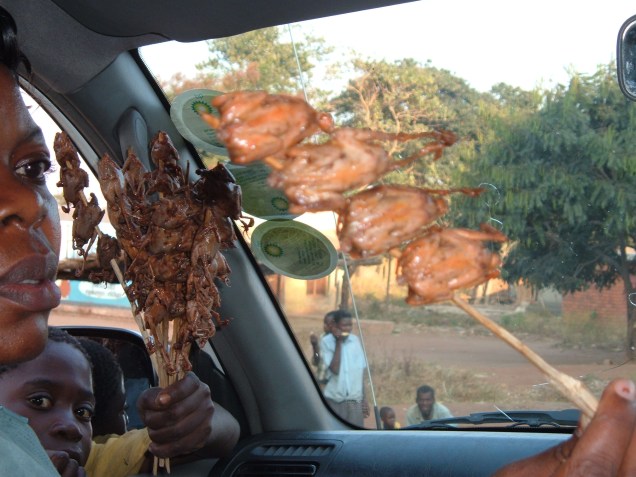
Kids selling roasted birds on skewers through our car window

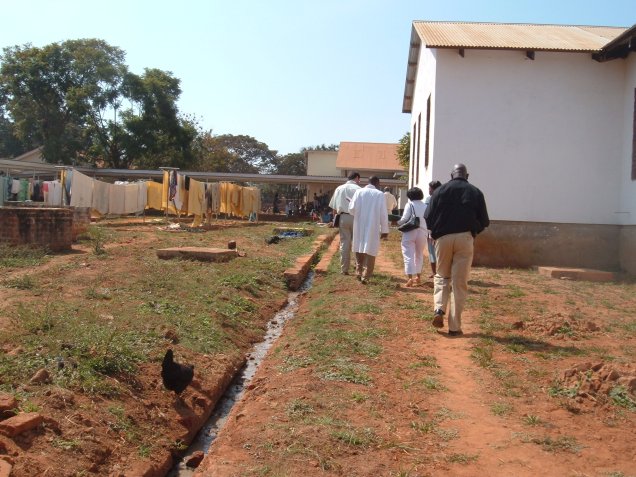
When we arrived at the hospital, our driver pulled our white four-wheel-drive vehicle into the circular dirt drive. The low buildings sprawled over a large area. Random wings protruded from the central building encompassing courtyards of grass and dirt.

2007_0615malawi0003

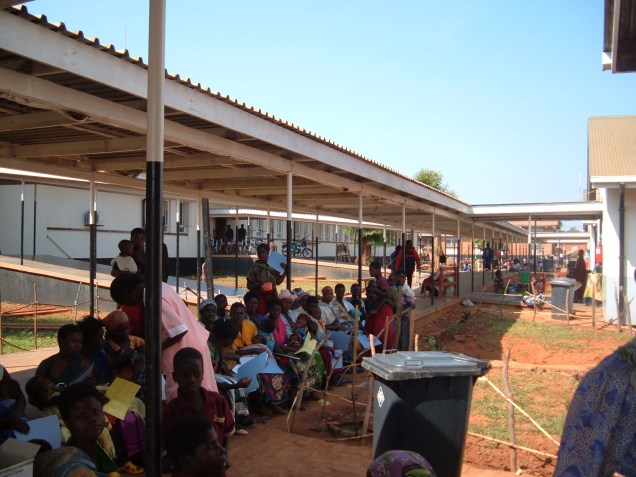
Hospital services are delivered outside and inside.

I was told that the children’s wing was tiny and unequipped. Still, I was unprepared for what I saw when I stepped out of the air-conditioned SUV. My long linen skirt fluttered in the breeze. Simmering stew scented the air.

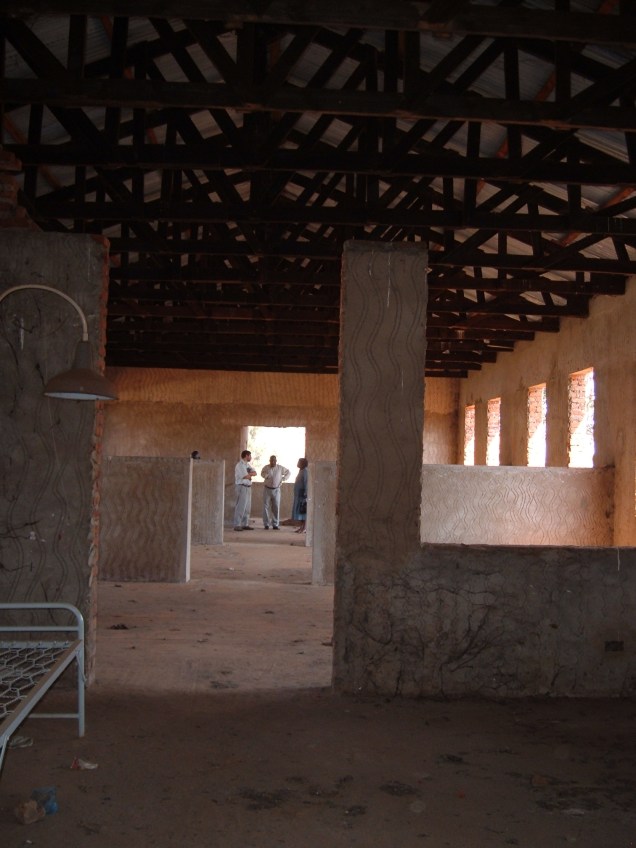
The hospital director greeted us warmly and led us to the wing that held the new pediatric ward, as yet unoccupied. There, he introduced us to the head of the pediatric department. They both beamed with pride. The cement floors were completed, the walls were up. The wooden roof was still open, and cabling had begun for electricity. 

2007_0615malawi0006

The new pediatric wing under construction

Rudi, our project director in Lilongwe, told them that we would have more funding for the pediatric wing. They gasped with delight and hugged all of us.

From there, we returned to the main hospital building. At the entrance to the existing pediatric ward, we stepped over children sleeping in the hallways. The children’s ward had seven beds, but they were empty. Forty or fifty children sat on cement floors, outdoors, where there was no roof. An open sewer for gray water ran along the walls to its terminus, also open, around 50 feet from the building. The terminus had been recently upgraded.

Where the cement floors ended, the courtyards began. Here, there were families camped out, cooking, washing laundry in plastic tubs. In addition to the people, there were chickens running around and a few goats grazing.

2007_0615malawi0010

The chicken on the left joined part of our tour.

“The families live on the grounds of the hospital however long they need to,” the director said. “There is not enough staff to care for the kids overnight, so their mothers take care of them.”

As we returned to our car out front, oxen were parked in the driveway, calmly waiting their owner’s return. We thanked the staff, waved goodbye, and drove around the oxen.


That weekend, I took a trip to Liwonde National Park. The employees in my office urged me to take a private car, but I insisted on the bus. The local buses were equivalent to a Volkswagen minivan, but with moving seats and twenty-five people shoved inside. The ride took four hours with people constantly climbing on and off, and rearranging people and their packages to fill it all. A woman boarded holding a baby on her hip and a guinea fowl by its wings. As she got settled, she would hand the bird to different people. At one point, she ended up sitting next to me. I gave her a look that said don’t even think about handing me that thing and it worked.

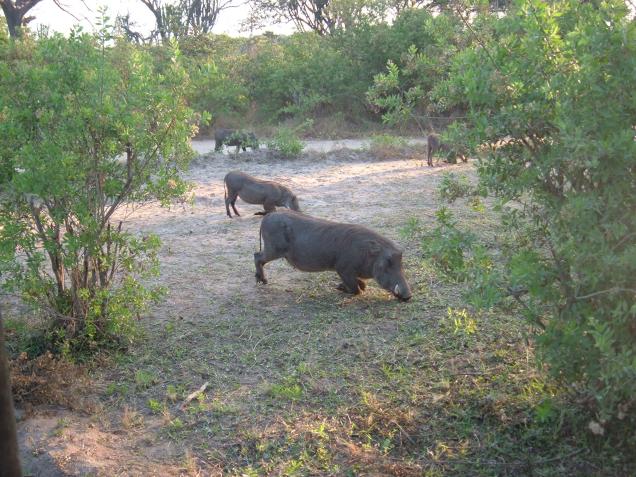
Liwonde National Park for me was like finding a new religion, so I was ebullient when I boarded the bus at the end of the weekend to return to the city. On the boat into the heart of the park, I had seen hippos and elephants. My cabin at Mvuu Lodge opened to a lagoon and a crocodile floated by my terrace. Hiking, I had spotted warthogs eating while on their knees (they’re my favorites), monkeys with bubble-gum-blue balls, baboons, impalas, kudu, sables, waterbuck, and zebras. From the dining room, we watched herons, storks, and rainbow birds in flight.

2007_0615malawi0090

The underappreciated warthog

On the bus ride back to Lilongwe, I sat next to a different type of passenger. He was a man in his twenties, holding a boy of maybe five, slumped against his shoulder.

“What is wrong with him?” I asked, before sitting next to him. I was worried that he might be contagious.

“Malaria,” the father said. “I am on my way home from the hospital.”

The boy was lethargic and barely responsive. I watched him drift in and out of sleep. I wondered what they did for them at the hospital, how long he’d waited, and how much money it had cost him. I pictured the hospital I had just visited, my first, the scene I will never forget. The kids and mothers in labor on the cement floor, the families hanging their laundry on lines. I hoped they had medicine where the father took his son. I hoped they’d hydrated him. It did not look it. If they did, I hoped the needle was sterile.

At a stop, the father got up. There was a small stand selling bottled drinks, American brands. I handed him the kwachas I had, probably five or six dollars’ worth.

“Orange juice, not coke, ok?” I looked the man straight in his face. As he carried the limp boy off the bus, I was still pleading, “orange juice!”

Everyone on the bus thanked me and called me “sister” for the rest of the ride. As people got on and off, they made sure there was room for my bum on the rickety seats. They stood to help me and my bags off the bus when it was my turn to exit and we waved goodbye.

Dear Reader, if you have not taken a safari, you should take one in your lifetime. If you have not toured a health facility like the ones that the vast majority of the planet has access to, you should. Finally, when you travel, always talk to people, listen to them, engage. Tell them stories about your life. Bring photos of your family and show them to people. Ask lots of questions. People love to share and to learn about you.


Stupidity in Mexico City

Even an experienced traveler does stupid sh!t. To stay out of potentially problematic situations, it is best to remember this, no matter how experienced you are.

In a job years ago, I used to visit Mexico City on a regular basis. I considered myself an experienced traveler, by then having visited two dozen countries in Europe and Asia.

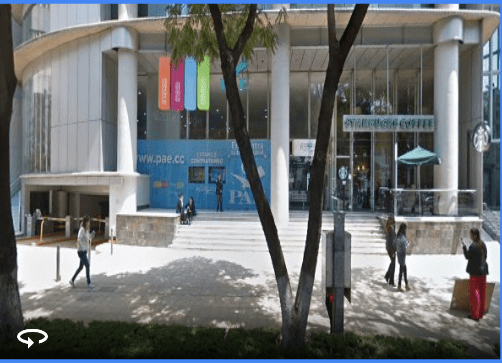
Screen Shot 2019-05-31 at 12.09.03 PMMy office building in Mexico City (This came up in a Google images search) The Starbucks is new!

I worked for a technology company and their travel support was good. A pre-arranged driver would pick us up from the airport and deposit us at the hotel. For rides around the city, we often had drivers or Mexican colleagues take us. At my U.S. home office, we had a security company who delivered presentations on security in general and advised us on specific destinations as well.

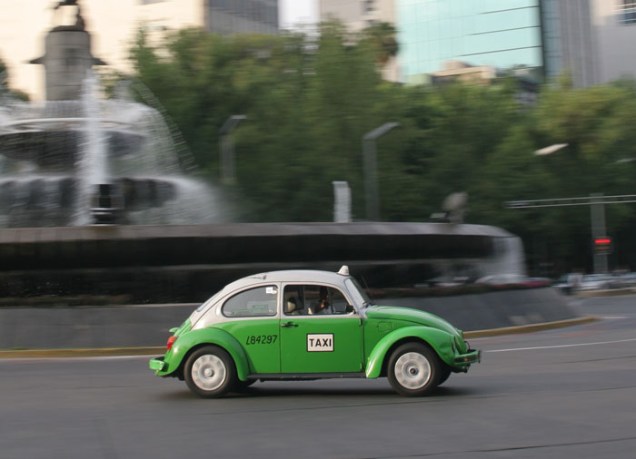
The instructions for Mexico City included this clear instruction: do NOT hail a taxi. At the time, green Volkswagen beetle taxis were as common as houseflies, but there were also boxy yellow ones everywhere.

SHEA-Vocho_6423Photo credit: Terry Shea

I read here that the city eliminated the green beetles in 2012. Absent 65,000 or so green taxis, I imagine the city landscape has changed.

Once again, NO taxi hailing: green, yellow, or otherwise. If we needed a ride from the hotel to the office, we were to get a taxi only from the taxi line at the Camino Real Hotel where we stayed. If we needed a taxi from the office back to the hotel, the office called one for us.

camino realCamino Real Polanco – it’s very cool – I recommend it!

I still did something stupid. As instructed, I got my taxi in the morning from the hotel line. I was going to the airport directly from the office, so I was all packed with my roller suitcase and my black laptop case ready to explode at the seams. I was dressed in a business suit, a silk blouse, and heels. It was warm outside for a suit jacket, but the office was always overly air-conditioned.

For some reason, the taxi driver was confused. My office was on Insurgentes Sur, the main avenue in Mexico City, nearly 18 miles long. Other than the traffic congestion, this was not difficult. The buildings are numbered, in numeric order. As one would expect.

Insurgentes Sur is also lined with tall, glass, office buildings, such as mine in the photo above. My driver was frustrated. He pulled over and barked at me that we were here and I should get out. Then he peeled away from the curb and I looked around. I was not standing in front of my office building; that was a good 15-20 minute walk north.

I was furious, and mad at myself for paying him. This was probably good because I was a bit scared too. On the sidewalk, I stuck out like a beaming white girl in a pale pink suit and black patent pumps. I was starting to sweat in my silk blouse, but did not remove my suit jacket, as I did not want more crap in my hands. Dragging my roller bag, I marched up the avenue, fast and with purpose, muttering and cursing — not under my breath, but loudly. I was pissed off, but also hoping that anyone considering messing with me would think I was crazy. Several people looked at me (for any number of reasons). I gave them the stink eye and they turned away. I don’t know if my behavior helped to thwart any danger, as none befell me, but it’s an idea to try.

While I am on the topic of Mexico City, it is an incredible city that I highly recommend. There is plenty to do there, but here are 3 quick tips to consider:

  • Order Queso Fundido at the Camino Real (or elsewhere).
  • There is a lot of a amazing food to be found – try dining in a restaurant in an historic building.
  • A day trip to the ruins at Teotihuacan –  it’s an amazing site/sight.

Main takeway: make sure you know where you are when your taxi driver drops you!


Look Closer

The Blue Marble

The Blue Marble

One of the things that appeals to me about travel is that you board a metal cylinder and pop out the other end in a different world from the one you left. When I was early in my travel experiences, I found that as I traveled more, I craved even more different worlds from my own on the other end.

Growing up in the United States, my journey began with dips over the northern border (to Niagara Falls) and the southern border (Tijuana, when it still considered pretty safe). I moved to Eastern Europe for work when I was in my upper twenties. At the time, I had a two handfuls of countries under my belt. I was determined to see as much of the region as I could while I was there. After two years, I moved back home and  took a job in Boston that offered opportunities to travel to Western European countries. It was not enough and after two years I took a job where I supported a small set of Latin American countries. Five years later, I went looking for a position that offered the possibility of travel to Africa. I traveled to a dozen countries in Africa over my seven years there. Then I left that organization for a gig that put me in Dhaka, Bangladesh.

4-2B057

Christmastime in Dhaka. It’s freezing by the way.

Let’s stop there. One lesson that I learned during these years is that new destinations continued to stump me and cause wonder. I arrived in Mozambique expecting its neighbor Tanzania. It was not. I arrived in Costa Rica expecting Belize or Panama. It was neither. It was time to stop assuming stuff and just open my eyes and watch. One thing I’ve learned over thirty years of travel is that my journey is still a work in progress.

And then something else happened. It wasn’t a different world I was finding; it was the same. I leaned in and looked closer. People, families, meals together, a grown daughter’s wedding, a college graduation, holiday festivals, funerals. It was the same world, but it was wondrous for me and life to them.

Recently, I listened to a podcast interview of the first Iranian woman in space. I don’t think I had ever heard an astronaut speak so beautifully about the experience. When viewed from space, Earth has no nations and no borders and no tribes. We live on an orb of greens and browns and blues and whites. Boundaries are built by humans. And humans should tear them down.


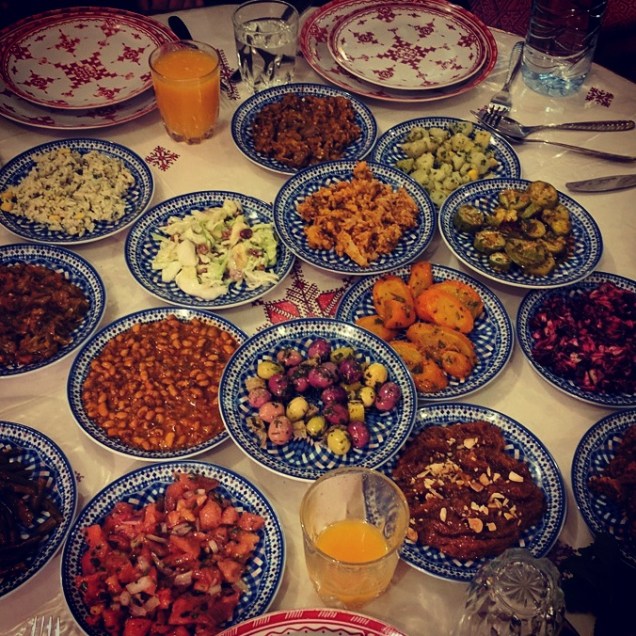
Eating in Morocco

IMG_20171206_150052_972Restaurant Nejjarine in Fez

This was my favorite meal in Morocco. It’s a great destination for vegans.

Also, love the dishes. Bonus points for the beautiful display.

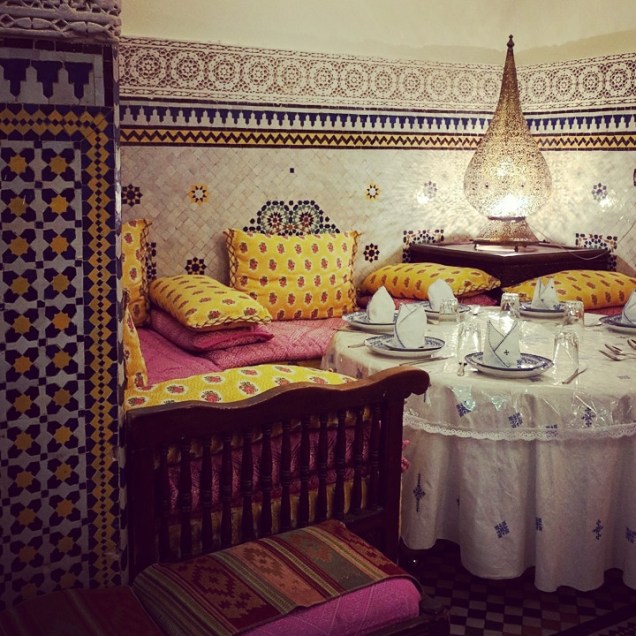
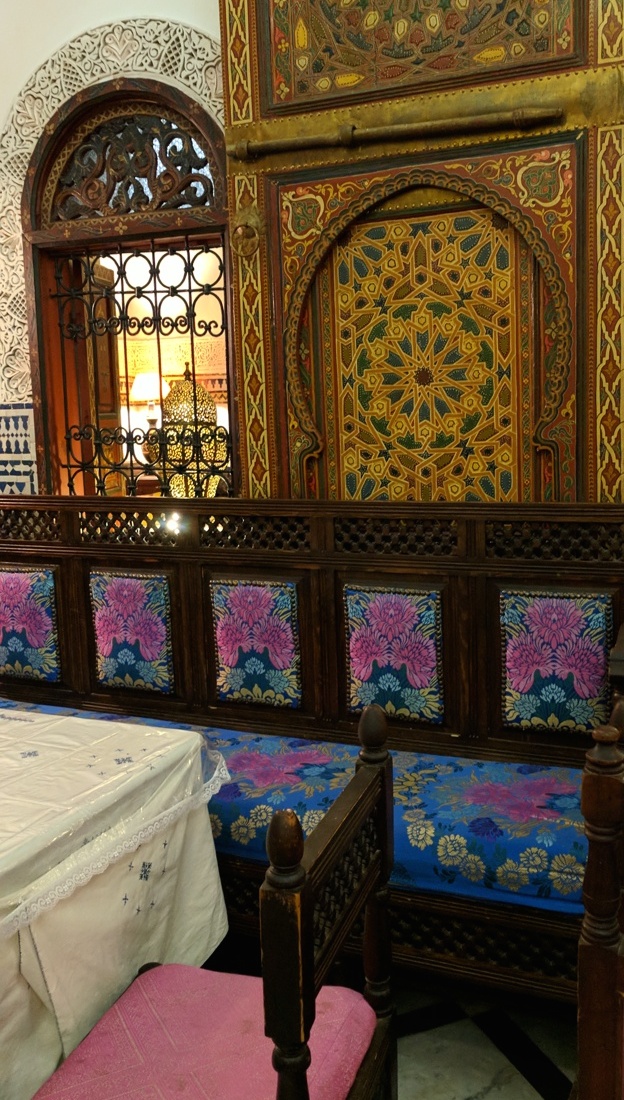
The restaurant was decorated beautifully as well. It was difficult to get photos without diners in them, but I snapped a few.

IMG_20171219_175808_823

Check out that lamp in the corner. It’s intricately cut brass. I regret not hauling one of those babies home. There were many shops in Fez selling these lamps.

IMG_20171206_150318

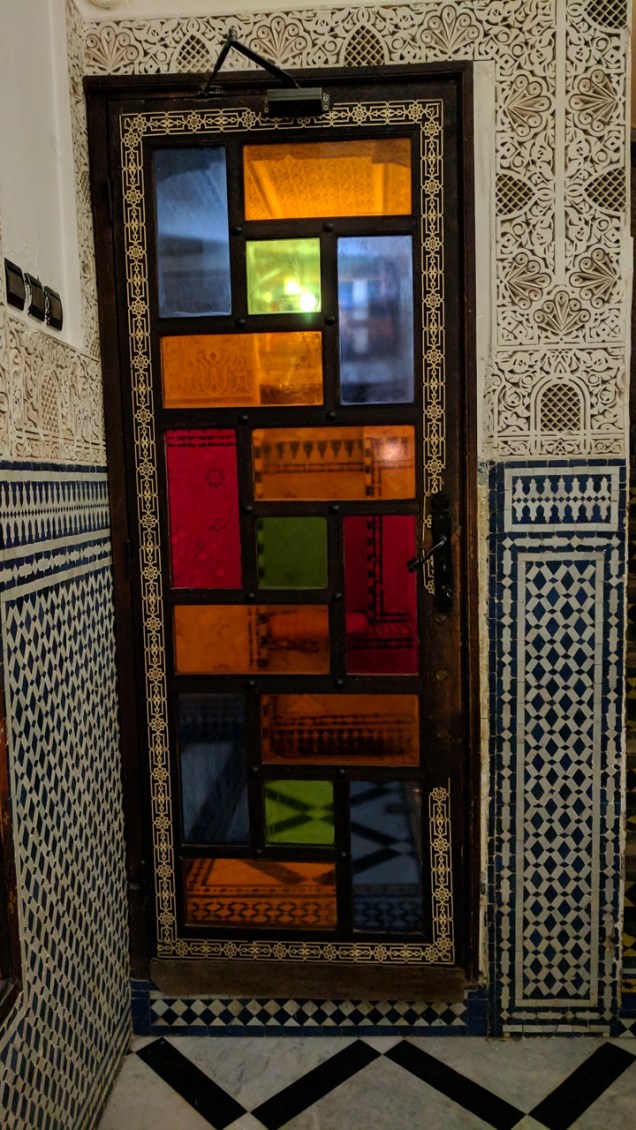
Random door leading to a private area of the restaurant. I’ll take one of these doors too, please.

IMG_20171206_150420

Yes, I would be happy to sit here, thank you. Another corner, all different, all gorgeous.

Since this is a food post, one last photo…

IMG_20171206_131619 crop

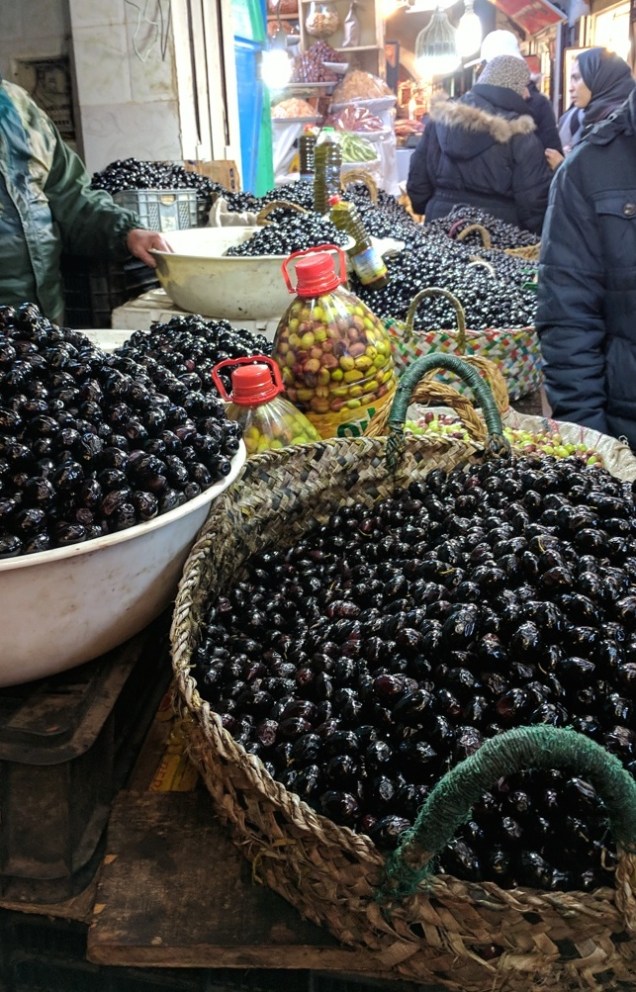
In the market, not far from the restaurant. So many olives!


Squatters

Screen Shot 2019-04-07 at 11.50.03 PM

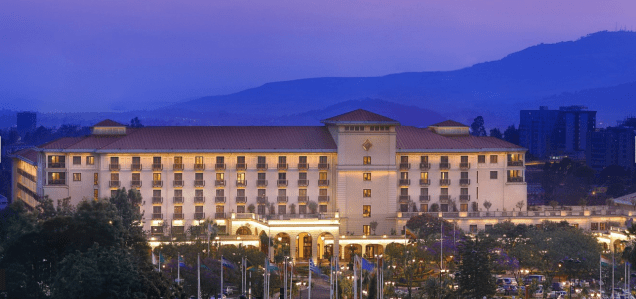
The Addis Ababa Sheraton Hotel is a beauty. The yellow-frosted, white-columned building is perched on a hill. You can admire its wedding-cake splendor on the long road as it winds its way up.

It was the first time my work team was summoned to the Addis Sheraton by our hosts from the U.S. government. The image I remember most clearly is not the yellow-cake palace, but what lay at the foot of the winding road: a squatters’ community. Squatters. Community. “Community” is the common parlance, but to me that is odd. The word seems to require a pool with a club house, tennis courts, perhaps a golf course. And carbon-copy mini villas surrounding one or more of those features. And it’s probably located in Florida. A UN-Habitat report from around that time calls them “informal settlements”. I hope you’ll excuse me, but for the rest of this piece I’ll be calling them “slums”.

Our white air-conditioned minivan turned left at a corner onto the road that wound its way up the hill to the hotel. The approach to the hotel is long, no doubt intended to impress the visitor further. The Sheraton is the nicest hotel in Addis. But my body was twisted in my seat – sandwiched between two co-workers – still watching the view behind us as it receded. The clump of flattened cardboard boxes, thin branches lashed together with rope, and plastic tarps comprised the dwellings, a sheet or two of corrugated tin for a more fortunate family.

A child in a T-shirt and underpants squatted in the dirt in front of one, a finger poking into a puff of dust. I did not see a parent, but perhaps she was behind the cotton sheet that hung over what I supposed was a doorway.

A dog trotted by the child. Dogs are not pets here; they live outside like many of the people do. But the dogs of course procreate and they have to eat too. They spend their lives, like the people, scrounging what they can from the streets.

By the time we reached the security guard at the hotel entrance, passed the parade of international flags along the driveway, and alighted from the minivan, the slum village was well out of view. Out of the view of everyone I was with, it seemed, except for me. It was burned in my brain and I had to look through a filmy version of it to see, to make sure I didn’t slip on the marble lobby floors or trip up the gold-carpeted staircase to the ballroom.

We were guests at a U.S. government gala. There was a buffet lined with silver chafing dishes, an open bar set up on either side of the ballroom, standing tables topped with white tablecloths and vases of flowers. The gala was put on by the U.S. government to honor an Ethiopian government minister, so his crew was there as well. At some point, a band played. I couldn’t see the room well. It was too dark or I’d forgotten my glasses or something and the hazy image of the slum still persisted in my view. I tried to snack on something deep fried on a skewer, but couldn’t.

An Ethiopian friend and colleague told me the minister being honored was her cousin. After the party, in front of the hotel, she introduced me to him. He connected with my gaze and flashed me a glittery smile as he climbed into the back of his German sedan. The slum veil must have lifted by then, because that I could see clearly.

Screen Shot 2019-04-08 at 12.29.30 AM

I was anxious to get back into the minivan, to drive back down that twisting road into life, into reality again. It was dark by the time we wound down the driveway. I strained to see out the minivan window, but the glare of a cell phone screen and reflections on the glass prevented me from seeing anything but the dark shapes and shadows of the small slum. But I knew there was not a patch of green or a plant growing anywhere around the slum.

Where was the bathroom? Their water supply? Their money supply? Where did they find food? Did they shop? Did they work for pay somewhere? Read? Beg? Use public transport if they had somewhere to go? No doctors, no schools for the kids, I am sure. Each one lived a life of however many years he or she has on that red-orange patch of earth. Doing what? Loving whom?

Flash on Francine

IMG_20190410_185022

Francine stood well above me, with a stately and confident stride. Francine was not comfortable in English, and I was not comfortable in French, yet over time we learned that we shared many common philosophies. Francine came to work each day in casual Africa-wear – long patterned skirts wrapped around her notable bottom, a tunic, her hair plaited from the “saloon” on Saturday. One day Francine arrived to the office in full regalia. Her headdress was wrapped high and proud, her earrings announced her import. I greeted her saying, “You look beautiful!” The reason for her formal dress was a court date. Her husband was a cad.

Francine had had to go to court many times since the prick had left his five kids. He drifted in and out on occasion, but she hadn’t seen him in years and didn’t know where to find him. She needed him to sign a document each year permitting his three oldest to attend a private secondary school across the border in Uganda. Without his signature, Francine needed to go to court and fight for it.

When she explained all of this, I asked “What’s that about? I thought Rwanda was different. There are women at the top of ministries in the country, and Rwanda has the highest percentage of women in its parliament than anywhere in the world.”

“Well, Kimberly, it is because we are women. We can’t get anything done at our level. That power is for the elite in the country.”

And thus, with that brief statement, Rwanda became the same to me in this regard as anywhere else.


Birthday in Burkina

Burkina and 032

It was not the only birthday I had spent overseas, just the worst one. I had very much not wanted to go on that trip. The preparation was nerve-wracking, the trip itself was miserable, and its purpose lying on the other end was miserable. Plus it was really hot and everyone spoke French.

I was living in Kigali, Rwanda working for a global health non-profit headquartered in Boston. I had recently accomplished the elusive mid-career change from the technology industry to non-profit. I had wanted to get out of a workplace driven by quarterly earnings and stock prices and instead help some people who needed it. Instead, I found an arrogant, neo-colonial business run by charading do-gooders who abhorred the word “business”. A place where white doctors and ascended African doctors stayed only in the nicest hotels, lived with servants behind barbed-wire-topped fences, and had drivers take them from home to office to expat restaurant in air-conditioned SUVs. On top of the irony of all of it, the irony that I continued working in this rank soup also was not lost on me.

When the job in Kigali came up, I jumped on at a chance to transfer out of headquarters. It got me away from the worst people. In general our employees in the field were much nicer and doing some good work. Most of our employees in Kigali, including some of the management, were Rwandan.

They put me in a furnished apartment that was nice enough and I walked to work every day. My job was onsite at a Rwandan government agency, working with the staff in the Human Resources office, helping them with contracts and computer systems, writing policies and organizing meetings.

Without sound rationale, my boss in Boston continued across cultures and time zones to press me for service. I often did extra tasks for Lenny in the evenings after a full day in the office.

One day, Lenny had an unusual demand. He had decided to fire someone in Africa and thought it was a good idea for me to go there to do it. In person. For him.

The gentleman in question lived in Bobo-Dioulasso, Burkina Faso. Getting there required more than two days of air travel over three hops covering more than 3500 miles, followed by a five-hour bus ride. I remained convinced it was not the best solution. Try as I might, I was unable to persuade Lenny that this might be better done by phone. Or by him. Or his deputy. They could fly there in less time from the United States. Flying within Africa improves greatly with each decade, but still it is not easy. I lost the argument.

Preparation for the trip required that I send my passport by express mail from Kigali to the Burkinabe embassy in Washington, DC to get an entry visa stamped in my passport. U.S. citizens cannot get a visa upon arrival at the airport, and of course there was no Burkinabe embassy in Rwanda, or anywhere near it.

For days, I lived as an American in Rwanda without a passport while it crossed the Atlantic Ocean. It was a strange feeling. I drifted from meeting to meeting almost constantly aware that I could not get out of the country, though the airport was a mere twenty-minute drive away.

I do not remember the reason for Lenny’s urgency, but my flight was mere days after I express mailed my completed forms and passport to D.C. We calculated that DHL and the embassy both needed to be at their maximum efficiency, with maybe two days to spare, to turn it around successfully.

The day before my flight, my passport, which was to be returned by express mail, was not back in my hands. I had been nervous and losing sleep all week. That morning, rather than my usual office at the Rwandan government, I went into my own company’s Kigali office. Everybody there spoke English, had functioning office equipment, and knew how to “work the system.”

DHL had not arrived. Job, the office manager, called them. The truck was out around town. The DHL office closed at 2pm. My flight was the next morning. Job knew I was nervous for days. We hopped in his truck and he sped around town, trying to track the DHL truck.

About an hour in, I said, “I think I am going to throw up.”

“Do Americans always have that problem?” he asked.

We laughed and laughed and cried until I thought I really would throw up.

At 1:30pm, we finally found the truck parked at an outdoor market, missing its driver. I ran around the market, darting around vendors and shoppers, looking for the driver. Then I saw a man in black shorts and a purple polo. I had my passport back in my hands.

The flight to Addis Ababa, Ethiopia departed the next morning, and I was on it, with my visa to enter Burkina Faso. I waited in the Addis Ababa airport for the next leg of my flight.

We flew to Accra, Ghana and sat on the runway there. We sat for hours. The climate control system was not working and it grew hotter and hotter in the high tech tin can on the tar runway. Africans of various nations got up from their seats and complained about the heat and lack of ventilation.

“Please take your seat, sir,” they were told time and again.

They complained out loud from their seats. I feared things could escalate.

We finally took off, headed for Ougadougou, the capital of Burkina Faso. Upon arriving at the airport, I had no driver to meet me per usual, because my company had no office there. I negotiated with a taxi driver with my ten words of French.

As we rode to the hotel, he chatted away in French. He was a friendly guy., which I would find throughout the city. I had found the Rwandan culture to be more reserved.

I managed to say that demain was my anniversaire. The driver gasped in surprise and smiled broadly, wishing me well. It was sweet. He knew I was far from home. I was a stranger to him.

He left me at my hotel where English continued to be of no use. While I was checking in at the reception desk, a co-worker pinged me on Skype to check on me. She was the only one to ask me how I was.
Burkina and 024

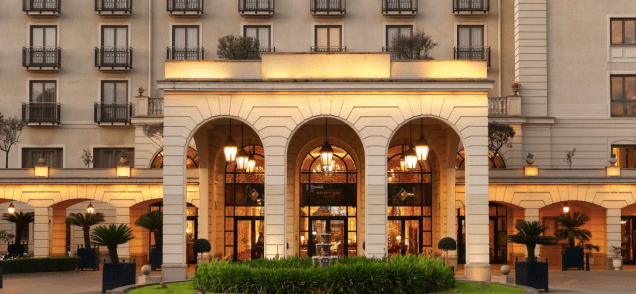
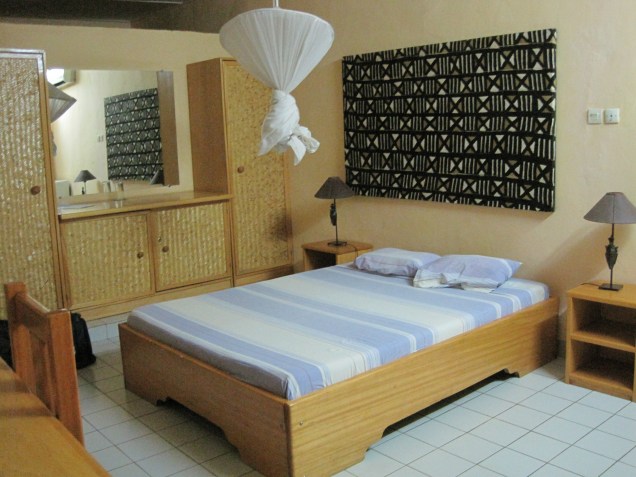
Ouagadougou hotel review: not terrible, but no A/C and it was a thousand degrees. Internet service spotty and only in the lobby. Mosquito net over the bed waiting to be unwound. En-suite bathroom on the other side of the cabinets.

The next day was my 43rd birthday, I took a taxi to the bus station and boarded an air-conditioned bus.
Burkina and 021

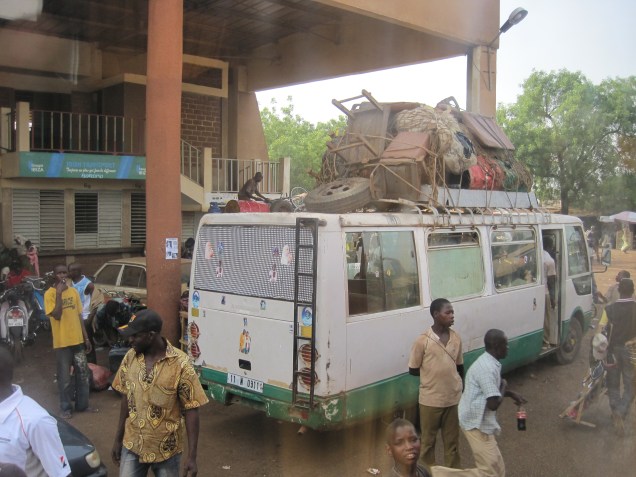
The Ouagadougou bus station (not my bus)

The ride was five hours to Bobo Dioulasso and I spent it listening to the English chatter of religious missionaries surrounding me. I longed for a return to French.

I checked into my hotel in Bobo Dioulasso, connected to the internet in my room, and called the gentleman I was to fire.

“I’m here in the city,” I said, “across the street in the hotel where I’m staying.” He seemed only mildly surprised, as though visitors had come through Bobo randomly before.

“Can you give me til 11 or so?” He said he would come over and we could have lunch here. I was getting sicker by the minute.

At a plastic table in a sun-baked cement courtyard over spiced cabbage and white rice he helped me order (je suis végétarienne), I told him he was fired. There I was, glowing white and sunburned in my wide boubou and he was a perfect gentleman. He wished me a happy birthday and paid for my lunch. I didn’t think I would keep it down that evening.

The next day, I boarded the bus to return to Ouagadougou and continue my journey back to Kigali. Why again was I there? There was no charm to the city and I did not want to walk around the hot streets in the open sun.

In Ouagadougou, I treated myself to dinner at the hotel restaurant, which was outside in a cordoned off section of the parking lot. I was told it was one of the best in town. There were tents set up on posts, the kind you would find at an outdoor wedding, strings of white lights in the trees, and bushes of birds of paradise in bloom, even in this desert.

After I told the waitress I was a vegetarian, the restaurant managed to prepare me a nice vegetarian meal, even though nothing was listed on the menu. They produced a nice variety of orange and yellow carrots, sweet yams, and rice seasoned with fresh herbs. I also requested the local pounded starch – fufu was the only name I knew it by – as it was always my favorite in West Africa. They served it with a bit of pungent peanut sauce.

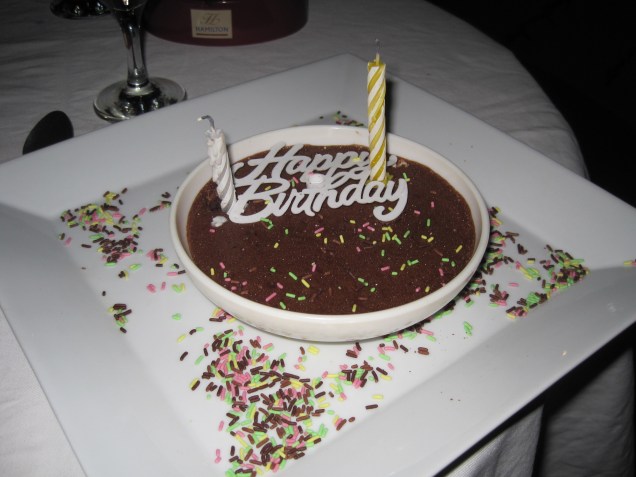
A team of three emerged, genuinely smiling and singing in French near enough to the tune of a familiar Happy Birthday. The waitress carried a silver platter and had managed to find two candles, burning brightly. She had the one cook with her and they’d managed to grab the front desk guy too.

The waitress placed the platter down on the white tablecloth and now I could see that it was mousse au chocolat. It was a perfect moment, one I will never forget. They clapped, we clapped, and they sang it again from the top. Then, the front desk guy had to get back, but the other two hovered to see if the dessert pleased me. It totally did. Somebody had produced a delicious chocolate mousse on the edge of the Sahara.
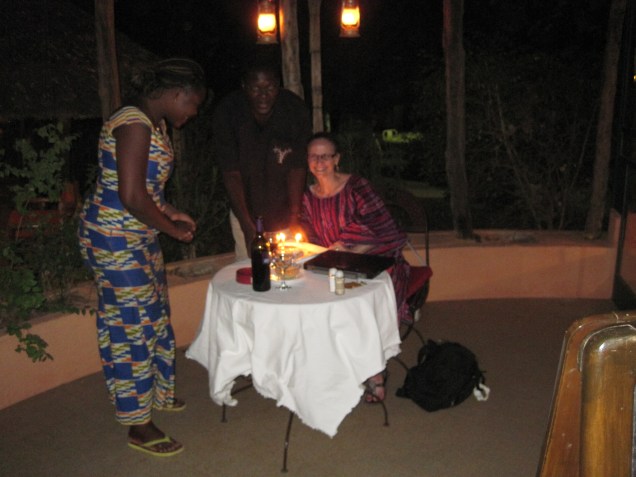
Burkina and 029My 43rd birthday