Eating in Morocco

IMG_20171206_150052_972Restaurant Nejjarine in Fez

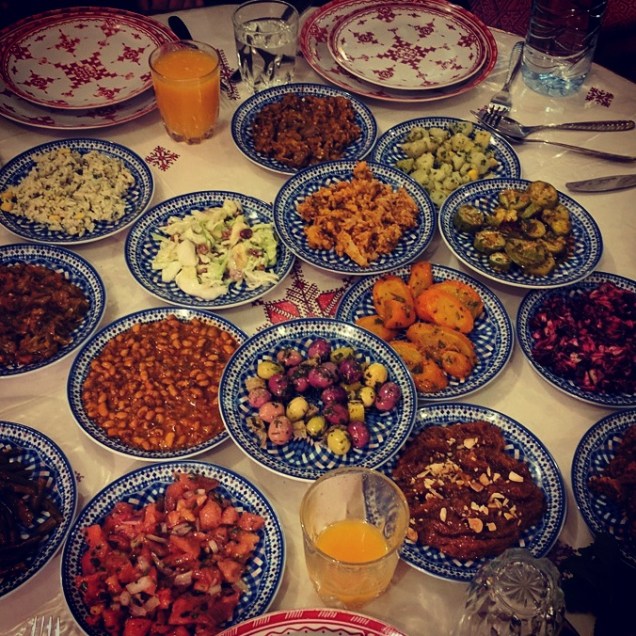
This was my favorite meal in Morocco. It’s a great destination for vegans.

Also, love the dishes. Bonus points for the beautiful display.

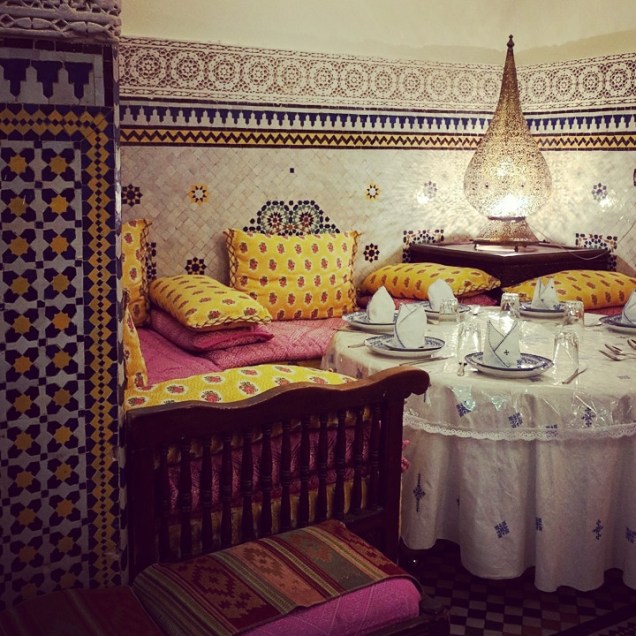
The restaurant was decorated beautifully as well. It was difficult to get photos without diners in them, but I snapped a few.

IMG_20171219_175808_823

Check out that lamp in the corner. It’s intricately cut brass. I regret not hauling one of those babies home. There were many shops in Fez selling these lamps.

IMG_20171206_150318

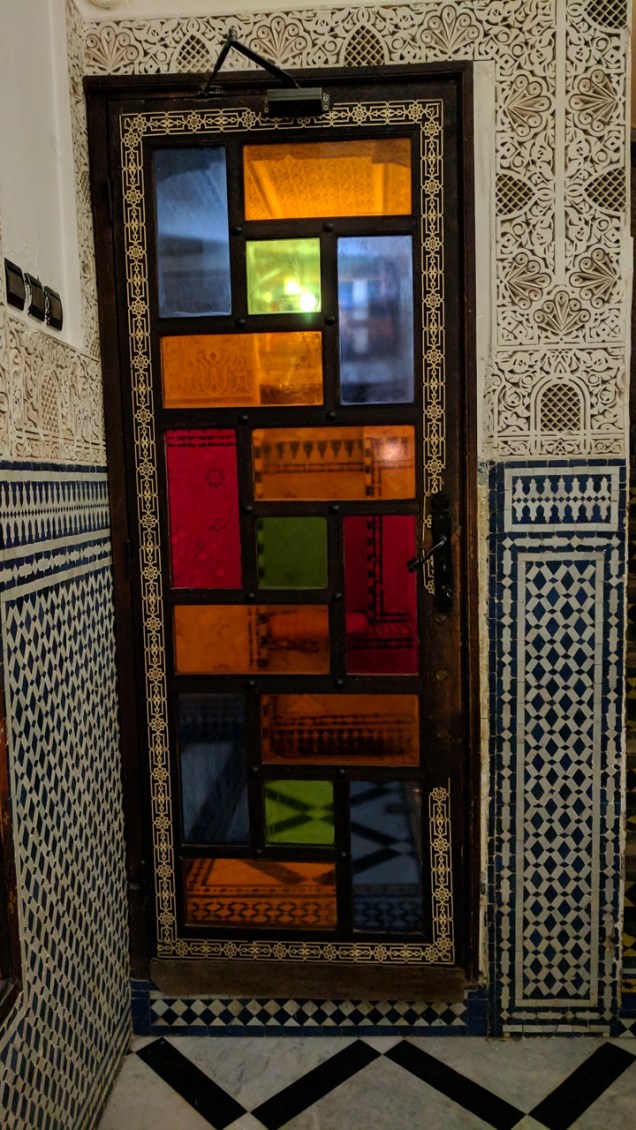
Random door leading to a private area of the restaurant. I’ll take one of these doors too, please.

IMG_20171206_150420

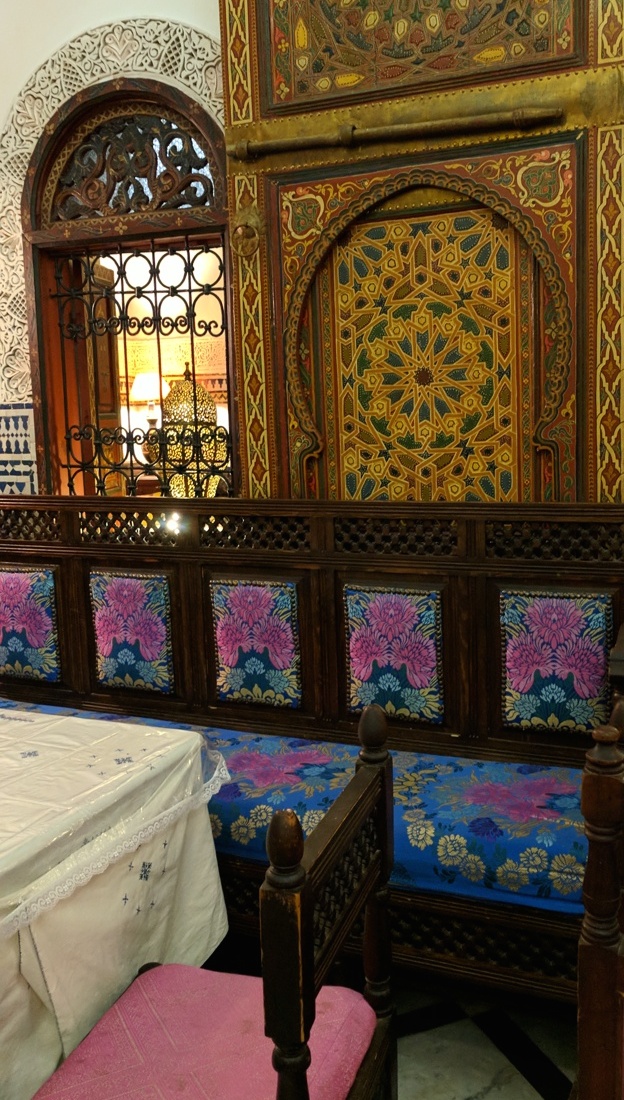
Yes, I would be happy to sit here, thank you. Another corner, all different, all gorgeous.

Since this is a food post, one last photo…

IMG_20171206_131619 crop

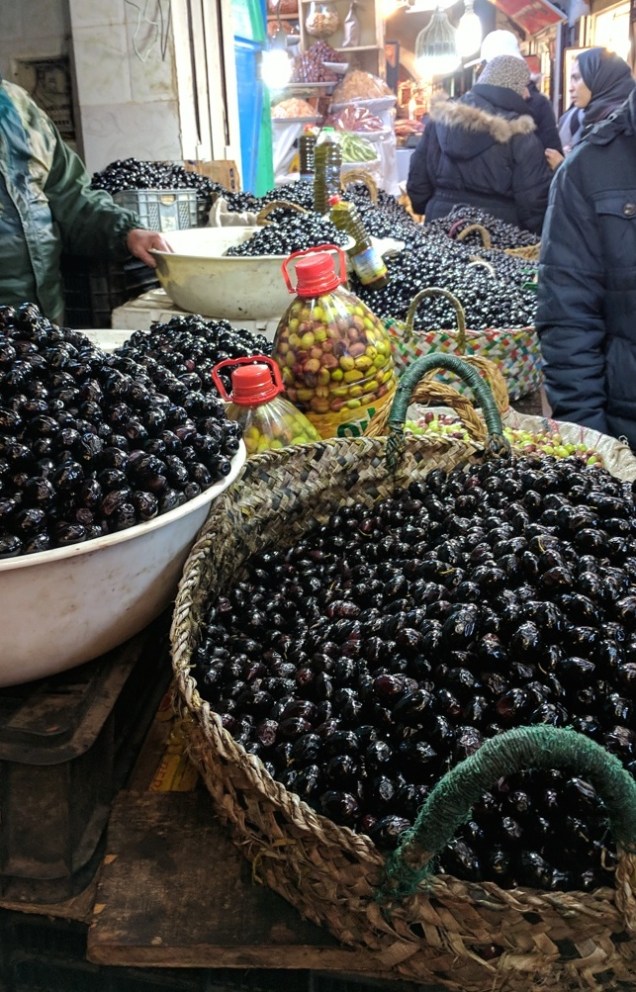
In the market, not far from the restaurant. So many olives!


Squatters

Screen Shot 2019-04-07 at 11.50.03 PM

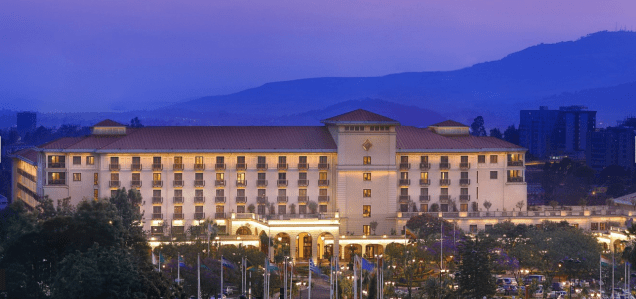
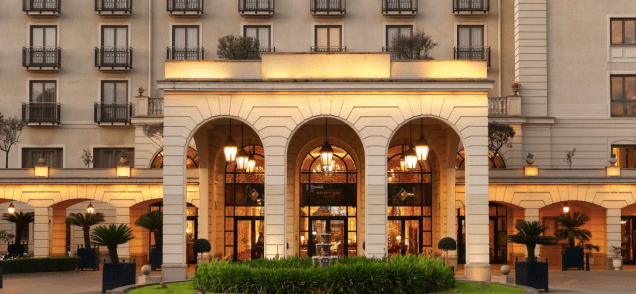
The Addis Ababa Sheraton Hotel is a beauty. The yellow-frosted, white-columned building is perched on a hill. You can admire its wedding-cake splendor on the long road as it winds its way up.

It was the first time my work team was summoned to the Addis Sheraton by our hosts from the U.S. government. The image I remember most clearly is not the yellow-cake palace, but what lay at the foot of the winding road: a squatters’ community. Squatters. Community. “Community” is the common parlance, but to me that is odd. The word seems to require a pool with a club house, tennis courts, perhaps a golf course. And carbon-copy mini villas surrounding one or more of those features. And it’s probably located in Florida. A UN-Habitat report from around that time calls them “informal settlements”. I hope you’ll excuse me, but for the rest of this piece I’ll be calling them “slums”.

Our white air-conditioned minivan turned left at a corner onto the road that wound its way up the hill to the hotel. The approach to the hotel is long, no doubt intended to impress the visitor further. The Sheraton is the nicest hotel in Addis. But my body was twisted in my seat – sandwiched between two co-workers – still watching the view behind us as it receded. The clump of flattened cardboard boxes, thin branches lashed together with rope, and plastic tarps comprised the dwellings, a sheet or two of corrugated tin for a more fortunate family.

A child in a T-shirt and underpants squatted in the dirt in front of one, a finger poking into a puff of dust. I did not see a parent, but perhaps she was behind the cotton sheet that hung over what I supposed was a doorway.

A dog trotted by the child. Dogs are not pets here; they live outside like many of the people do. But the dogs of course procreate and they have to eat too. They spend their lives, like the people, scrounging what they can from the streets.

By the time we reached the security guard at the hotel entrance, passed the parade of international flags along the driveway, and alighted from the minivan, the slum village was well out of view. Out of the view of everyone I was with, it seemed, except for me. It was burned in my brain and I had to look through a filmy version of it to see, to make sure I didn’t slip on the marble lobby floors or trip up the gold-carpeted staircase to the ballroom.

We were guests at a U.S. government gala. There was a buffet lined with silver chafing dishes, an open bar set up on either side of the ballroom, standing tables topped with white tablecloths and vases of flowers. The gala was put on by the U.S. government to honor an Ethiopian government minister, so his crew was there as well. At some point, a band played. I couldn’t see the room well. It was too dark or I’d forgotten my glasses or something and the hazy image of the slum still persisted in my view. I tried to snack on something deep fried on a skewer, but couldn’t.

An Ethiopian friend and colleague told me the minister being honored was her cousin. After the party, in front of the hotel, she introduced me to him. He connected with my gaze and flashed me a glittery smile as he climbed into the back of his German sedan. The slum veil must have lifted by then, because that I could see clearly.

Screen Shot 2019-04-08 at 12.29.30 AM

I was anxious to get back into the minivan, to drive back down that twisting road into life, into reality again. It was dark by the time we wound down the driveway. I strained to see out the minivan window, but the glare of a cell phone screen and reflections on the glass prevented me from seeing anything but the dark shapes and shadows of the small slum. But I knew there was not a patch of green or a plant growing anywhere around the slum.

Where was the bathroom? Their water supply? Their money supply? Where did they find food? Did they shop? Did they work for pay somewhere? Read? Beg? Use public transport if they had somewhere to go? No doctors, no schools for the kids, I am sure. Each one lived a life of however many years he or she has on that red-orange patch of earth. Doing what? Loving whom?

Flash on Francine

IMG_20190410_185022

Francine stood well above me, with a stately and confident stride. Francine was not comfortable in English, and I was not comfortable in French, yet over time we learned that we shared many common philosophies. Francine came to work each day in casual Africa-wear – long patterned skirts wrapped around her notable bottom, a tunic, her hair plaited from the “saloon” on Saturday. One day Francine arrived to the office in full regalia. Her headdress was wrapped high and proud, her earrings announced her import. I greeted her saying, “You look beautiful!” The reason for her formal dress was a court date. Her husband was a cad.

Francine had had to go to court many times since the prick had left his five kids. He drifted in and out on occasion, but she hadn’t seen him in years and didn’t know where to find him. She needed him to sign a document each year permitting his three oldest to attend a private secondary school across the border in Uganda. Without his signature, Francine needed to go to court and fight for it.

When she explained all of this, I asked “What’s that about? I thought Rwanda was different. There are women at the top of ministries in the country, and Rwanda has the highest percentage of women in its parliament than anywhere in the world.”

“Well, Kimberly, it is because we are women. We can’t get anything done at our level. That power is for the elite in the country.”

And thus, with that brief statement, Rwanda became the same to me in this regard as anywhere else.


Haiti’s Carvers and Other Sculptural Objects

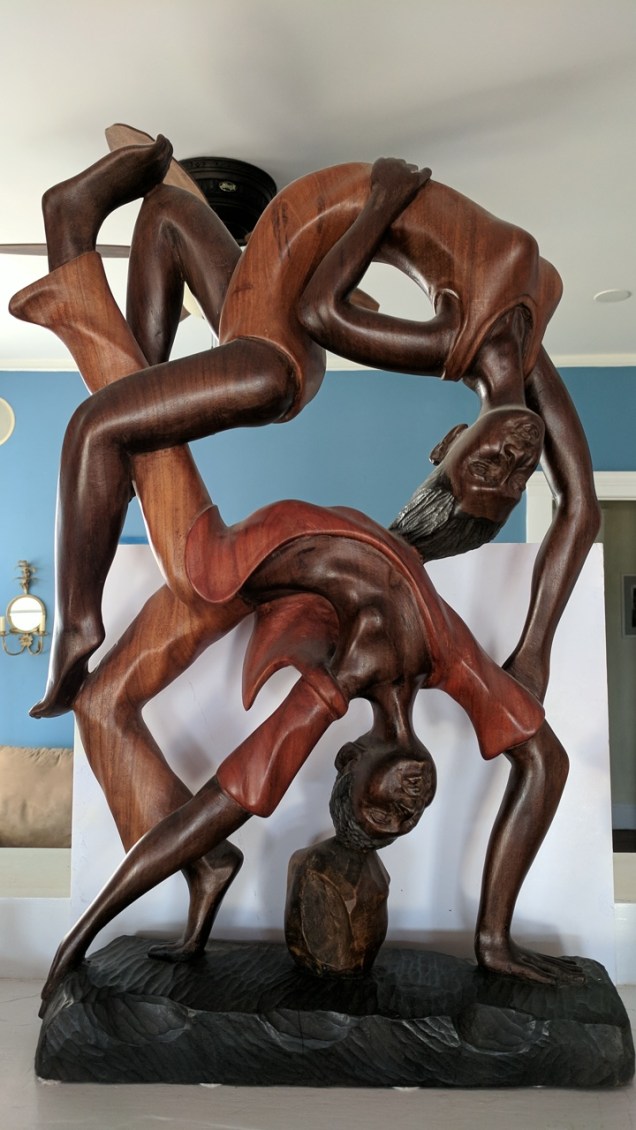
This was my first, and still my only, commissioned piece! I love saying that.

IMG_20190403_163046I went into this shop looking for a small wooden carving of a couple. A couple of weeks later I came out with this sculpture of Les Danseurs.  It is rather large. I should clarify that I did not carry it home myself. I was on a work trip and the artist told me he would be done in 1 week. He was not and I had my flight out. Luckily, another colleague from the U.S. stayed behind and he generously picked it up and transported it. I was expecting a tchotke, not a sculpture. Sean had to buy it its own new gym bag to get it back. Thank you, Sean 🙂

In this photo, Les Danseurs is sitting on my fireplace mantel, taking up a good lot of space there. The fireplace is in the middle of the room, so you can see part of my living room behind it. (Sorry, I could not move it someplace more conducive to photograph it, as it’s secured down with museum putty, which you can see poking out from underneath the base). My cats are wild things and I did not need them knocking over this monster. Crash and goodbye. They have done it before.

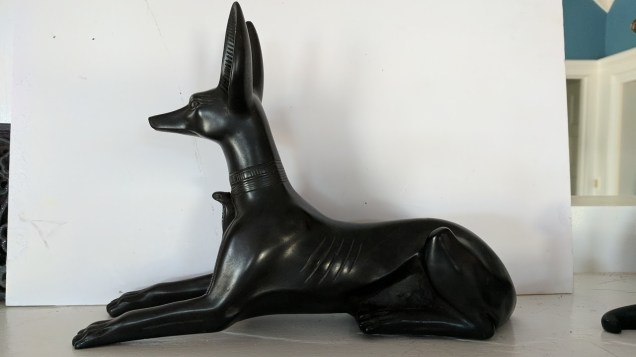
My sculpture is quite the conversation piece. It was on my mantel in my last home and I had to clear all the other things off it. In my new home, my mantel is bigger so I am able to put a few small carvings on either side of the base. Like this one:

IMG_20190403_162634

He is an Egyptian dog sculpture, about 4.5 inches high. I have an Egyptian cat on the other side. She is sitting upright – a bit taller and narrow.

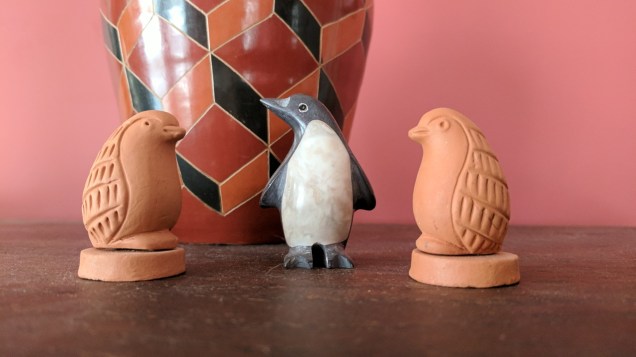
I got the Les Danseurs sculpture in Haiti around 2007 and the Egyptian pair around 2009. I pack lighter and lighter as the years progress and I don’t typically buy anything bigger than my fist any more. A perfect example would be these cute little birds:

IMG_20190421_little birds

The terracotta pair is, well, terracotta I guess. I bought those in Peru. They are just under 2″ And the sweet little penguin is some type of stone. She is from an outdoor market in the square in Punta Arenas, Chile, where we landed after our sail around Cape Horn.

Light and cute and easy. I packed clothes around them, but at about $1-2 per piece, I wouldn’t be devastated if they do not make it home in one piece. These did :-D.

Cuban Art and Framing Tips

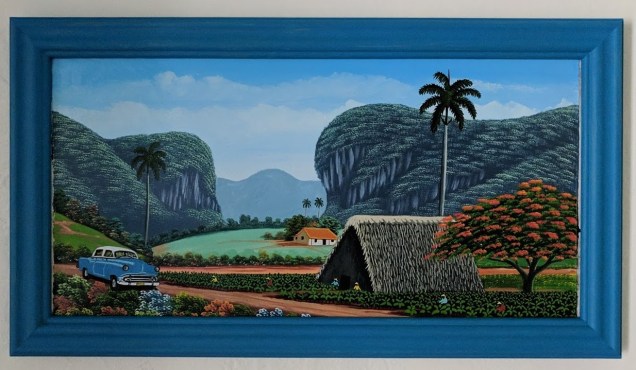
I bought this painting in the countryside in Cuba. It is a happy memory of Cuba that hangs over my bed 🙂

IMG_20180707_122956_788

I think this is oil. Don’t you love the antique car?

When I travel, paintings are one of my favorite things to buy. You have supported a local artist who made something with his or her hands, and the piece has a story, and you have a wonderful memory. Everybody wins.

Cuba has a wonderful, rich cultural tradition: music, dance, and visual arts. For a country with 11.5 million people, it is amazing that they offer some of the best musicians, dancers, and artists in the world.

Outside of Havana, our tour van stopped at a home where we found several exhibition rooms. The couple who owns it provides classes for kids in the community, displaying some of their work as well as that of several adult artists in the town. This piece was about US$45. Every time I look at it it makes me happy. It is so vivid and cheerful. I experienced that a lot in Cuba: vividness and cheer. The Cuban people have made the best of some extremely difficult circumstances and they have a spirit that will endure in your mind long after your visit is over.

Tip #1: Art is light and easy to carry home. Lay it flat in your suitcase, preferably in brown paper wrapping, sandwiched between clothes, or roll up the canvas, also with paper around it. If the canvas is on stretchers, making it more awkward to carry, you can have the artist remove the stretchers. I did that with this one and rolled it up:

IMG_20190403_163645

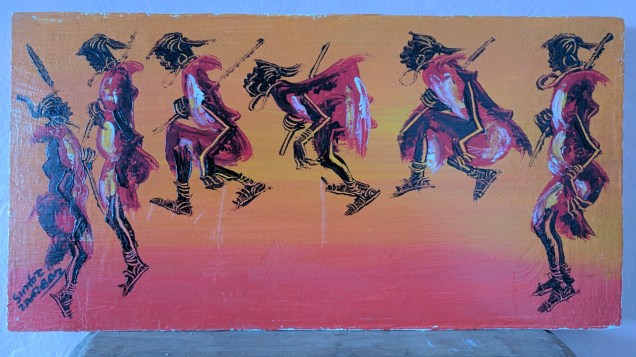
Acrylic on canvas Simba in Zanzibar 😀

Unfortunately, the paint that he used was either low quality or the canvas wasn’t sized (gessoed) or something. As you can see, there are a few faint white vertical lines from where the canvas was rolled and slightly crushed from the weight of my clothes. Some paint chipped off. Oh well. The piece was $20 and I still love it. It’s so full of energy.

Tip #2: About framing local art: the sizes are almost always *not* the standard sizes we use in the United States. This will make it more difficult to frame when you get back to wherever you live. I like to be thrifty. I will *not* spend $300+ framing something at home. No joke…

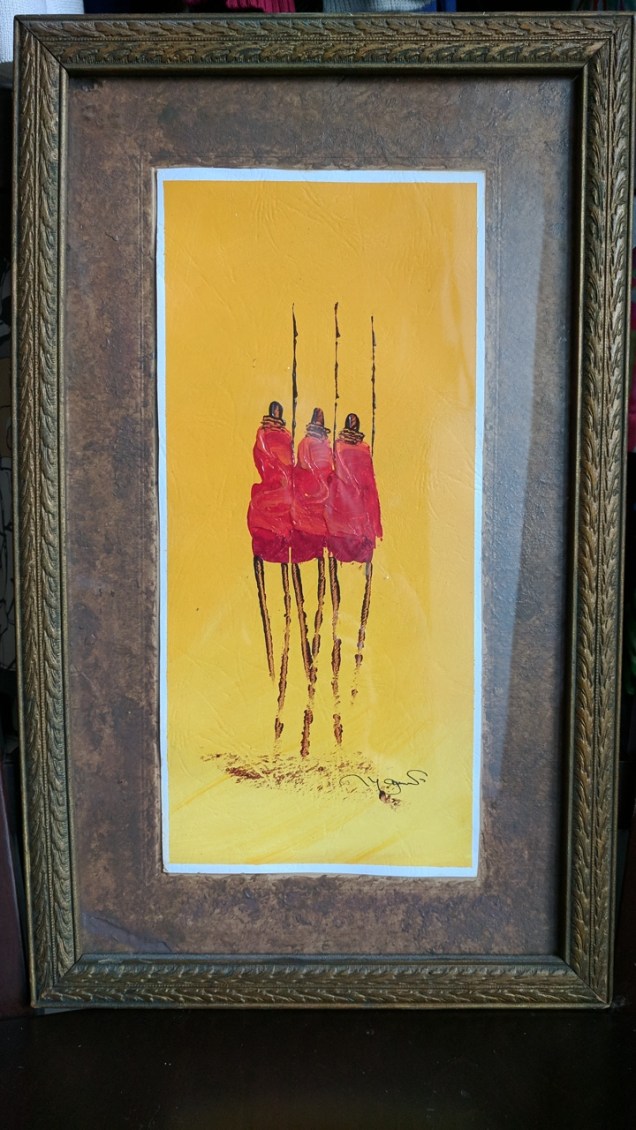
Once in Kenya, I bought a lovely little painting on thick paper of two Masai in reds and golds. It cost about US$7. I went to a framer in the basement of an art supply shop that I knew to be reasonably priced, at least their art supplies are. I picked out basic framing and matting. It was a small piece and I wanted the art to pop, not to be distracted by what surrounded it. Their price? $135. I took my $7 piece of paper and left.

It took me a few weeks, but I scoured antique and vintage shops around my city, Masai painting dimensions scribbled on a scrap of paper in my purse. I was lucky to find an old piece in a frame that was perfect and cheap, and the matting in it was also a good size. The problem? It was old. The matting was badly stained and had a small tear. Just a little effort and creativity goes a long way. And then in the end, you feel good about your work as well. I took a freshly brewed tea bag and after letting it cool, sort of “sponge painted” the mat. Spongy tea-colored stains hello, old water stains good-bye. You’ll see from the picture below how the tears look (upper left corner tear is barely visible, the lower left corner a bit more) after I taped up the back.

Voila!…

IMG_20190403_183539

Masai in antique frame

It’s prettier in person, but I was not about to go removing the image from behind the glass, as you are supposed to do to get a nice quality photo. There are old nails in the back and the parts are a bit brittle.

More about framing: with the explosion of online shopping, you can easily buy custom-sized frames and mats and save yourself a boatload of money over frame shops (sorry, local frame shop owners, but you may need to do better). Frames you buy online are often still handmade by someone in a shop. DO READ REVIEWS. The frame you see my Cuba photo in is from an Amazon shop called The Rusty Roof – made in the USA. I let my Cuba painting sit in that frame for months, disappointed by the washed out color. I’d been expecting something richer. Well, a sample-sized jar of paint from the local pain shop can solve many problems. I bought this vibrant turquoise for $3, applied two coats, and now it is one of my favorite pieces in the house. It hangs above my bed and, oh, happy me!

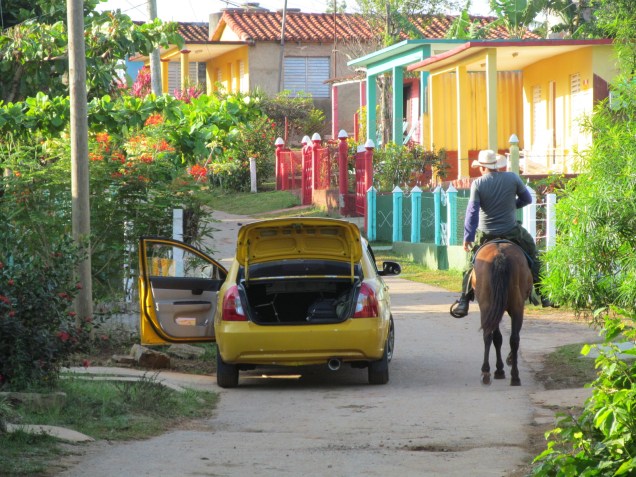
Tip #3: You can make your own art from photographs. I snapped this one in a small village. It was a moment I could see developing for just a few seconds. As the taxi pulled to a stop next to the rider, I knew I had only a couple of seconds to dig out my phone and snap. I didn’t have time to set anything up, zoom, or think. It just worked. My phone is a Google Pixel. It takes wonderful quality photos. Thank you Google.

IMG_0981 fave?Cowboy in Cuba by Kimberly Hirsh

Tip #4: Go small. I’ve been doing that more and more as I cover more traveling miles and countries. I find I just don’t need stuff any more. But I do like to support local artisans and a little keepsake brings joy. This was my most recent:

IMG_Morocco

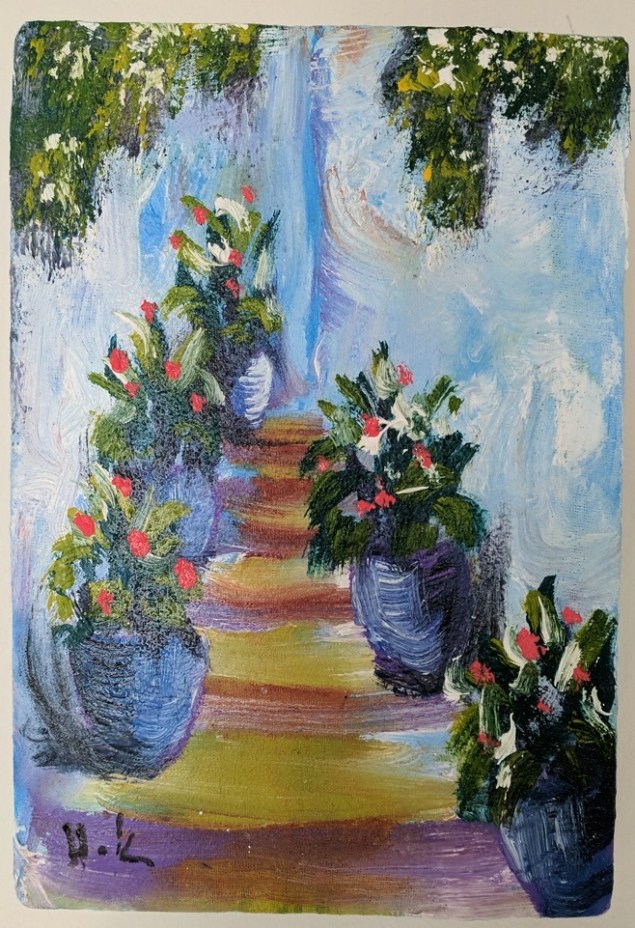
The magical blue city of Chefchaouen, Morocco

This painting is TINY – a mere 5.5 inches x 8 inches. I brought it home on the stretchers since it was small and light. I popped one nail on a narrow wall in my bathroom and done! Frame not necessary.

Note: I HIGHLY recommend Chefchaouen! You could take photographs for days and not want to leave.

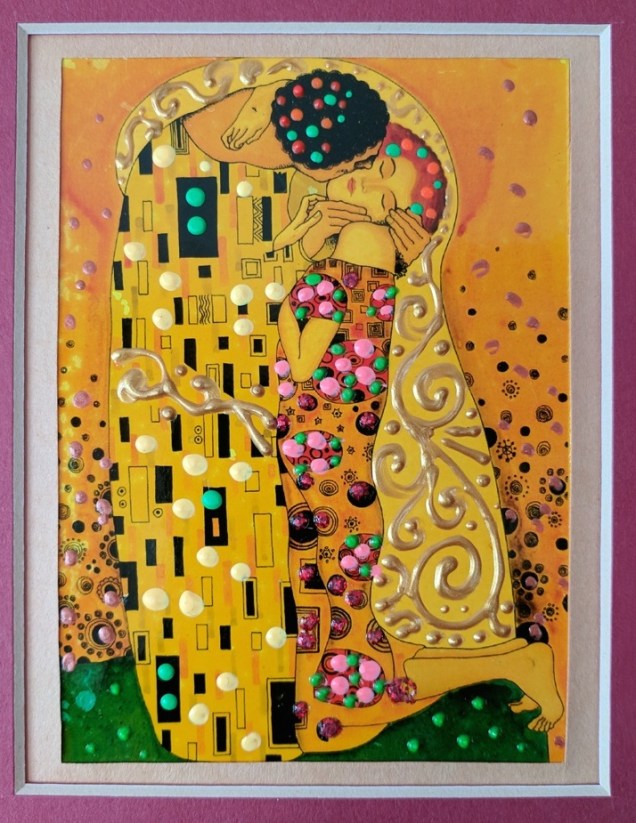
My Klimt-esque piece from Barcelona is another tiny one:

IMG_20190421_095432 klimt

I bought this at a stand on the Passeig de Gràcia, a main strolling street. It fit perfectly in a standard mat (you get a glimpse of the red) and framed to 5×7 inches, both purchased at home in the U.S. I’m not sure if you can tell from the photo that that the piece mixed media, meaning all those dots appear glued on and maybe laquered over and the gold curlicues are raised. I love this tiny thing so much (I mean, who doesn’t love Klimt?), I went back a couple years later hoping the artist would be there so I could buy some more. He was not. 

Lesson: when you see something small and inexpensive that you love right away, buy it right away. There are few things that you will ever remember and regret passing on, but art is one of them.

Spain

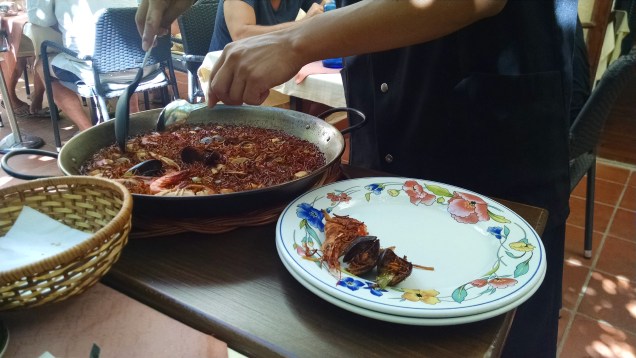
IMG_20160826_152835731

Fideua in Roses, Spain. OMG so good!!! It is similar to paella, except with broken noodles instead of rice.

Roses is a small beach town north of Barcelona. Roses features a Michelin star restaurant, els Brancs. We could not get a reservation there, even though we tried a couple weeks in advance. It was August and a lot of places are closed. Turns out, the luck was on us. We did some research online and picked another restaurant: El Jabali.

The prices at El Jabali were very reasonable and the meal was HEAVEN if gastronomy is your heaven, as it is mine. Just go. It is worth a drive if you’re anywhere in the area. From their white sangria, to the appetizer of some type of very small clams, the oysters with a melted creamy-cheesey topping, to the fideua (our very razón for being there), to the crema catalana (a flan-like dessert, but thicker), there was nothing not to love. The service was attentive, particularly when our sangria ran low 🙂 and the atmosphere was light and airy.

There was only one low point: I wish people would not smoke in restaurants anywhere anymore. People, beyond the obvious, it really degrades the taste of the food, comprende?

.

Birthday in Burkina

Burkina and 032

It was not the only birthday I had spent overseas, just the worst one. I had very much not wanted to go on that trip. The preparation was nerve-wracking, the trip itself was miserable, and its purpose lying on the other end was miserable. Plus it was really hot and everyone spoke French.

I was living in Kigali, Rwanda working for a global health non-profit headquartered in Boston. I had recently accomplished the elusive mid-career change from the technology industry to non-profit. I had wanted to get out of a workplace driven by quarterly earnings and stock prices and instead help some people who needed it. Instead, I found an arrogant, neo-colonial business run by charading do-gooders who abhorred the word “business”. A place where white doctors and ascended African doctors stayed only in the nicest hotels, lived with servants behind barbed-wire-topped fences, and had drivers take them from home to office to expat restaurant in air-conditioned SUVs. On top of the irony of all of it, the irony that I continued working in this rank soup also was not lost on me.

When the job in Kigali came up, I jumped on at a chance to transfer out of headquarters. It got me away from the worst people. In general our employees in the field were much nicer and doing some good work. Most of our employees in Kigali, including some of the management, were Rwandan.

They put me in a furnished apartment that was nice enough and I walked to work every day. My job was onsite at a Rwandan government agency, working with the staff in the Human Resources office, helping them with contracts and computer systems, writing policies and organizing meetings.

Without sound rationale, my boss in Boston continued across cultures and time zones to press me for service. I often did extra tasks for Lenny in the evenings after a full day in the office.

One day, Lenny had an unusual demand. He had decided to fire someone in Africa and thought it was a good idea for me to go there to do it. In person. For him.

The gentleman in question lived in Bobo-Dioulasso, Burkina Faso. Getting there required more than two days of air travel over three hops covering more than 3500 miles, followed by a five-hour bus ride. I remained convinced it was not the best solution. Try as I might, I was unable to persuade Lenny that this might be better done by phone. Or by him. Or his deputy. They could fly there in less time from the United States. Flying within Africa improves greatly with each decade, but still it is not easy. I lost the argument.

Preparation for the trip required that I send my passport by express mail from Kigali to the Burkinabe embassy in Washington, DC to get an entry visa stamped in my passport. U.S. citizens cannot get a visa upon arrival at the airport, and of course there was no Burkinabe embassy in Rwanda, or anywhere near it.

For days, I lived as an American in Rwanda without a passport while it crossed the Atlantic Ocean. It was a strange feeling. I drifted from meeting to meeting almost constantly aware that I could not get out of the country, though the airport was a mere twenty-minute drive away.

I do not remember the reason for Lenny’s urgency, but my flight was mere days after I express mailed my completed forms and passport to D.C. We calculated that DHL and the embassy both needed to be at their maximum efficiency, with maybe two days to spare, to turn it around successfully.

The day before my flight, my passport, which was to be returned by express mail, was not back in my hands. I had been nervous and losing sleep all week. That morning, rather than my usual office at the Rwandan government, I went into my own company’s Kigali office. Everybody there spoke English, had functioning office equipment, and knew how to “work the system.”

DHL had not arrived. Job, the office manager, called them. The truck was out around town. The DHL office closed at 2pm. My flight was the next morning. Job knew I was nervous for days. We hopped in his truck and he sped around town, trying to track the DHL truck.

About an hour in, I said, “I think I am going to throw up.”

“Do Americans always have that problem?” he asked.

We laughed and laughed and cried until I thought I really would throw up.

At 1:30pm, we finally found the truck parked at an outdoor market, missing its driver. I ran around the market, darting around vendors and shoppers, looking for the driver. Then I saw a man in black shorts and a purple polo. I had my passport back in my hands.

The flight to Addis Ababa, Ethiopia departed the next morning, and I was on it, with my visa to enter Burkina Faso. I waited in the Addis Ababa airport for the next leg of my flight.

We flew to Accra, Ghana and sat on the runway there. We sat for hours. The climate control system was not working and it grew hotter and hotter in the high tech tin can on the tar runway. Africans of various nations got up from their seats and complained about the heat and lack of ventilation.

“Please take your seat, sir,” they were told time and again.

They complained out loud from their seats. I feared things could escalate.

We finally took off, headed for Ougadougou, the capital of Burkina Faso. Upon arriving at the airport, I had no driver to meet me per usual, because my company had no office there. I negotiated with a taxi driver with my ten words of French.

As we rode to the hotel, he chatted away in French. He was a friendly guy., which I would find throughout the city. I had found the Rwandan culture to be more reserved.

I managed to say that demain was my anniversaire. The driver gasped in surprise and smiled broadly, wishing me well. It was sweet. He knew I was far from home. I was a stranger to him.

He left me at my hotel where English continued to be of no use. While I was checking in at the reception desk, a co-worker pinged me on Skype to check on me. She was the only one to ask me how I was.
Burkina and 024

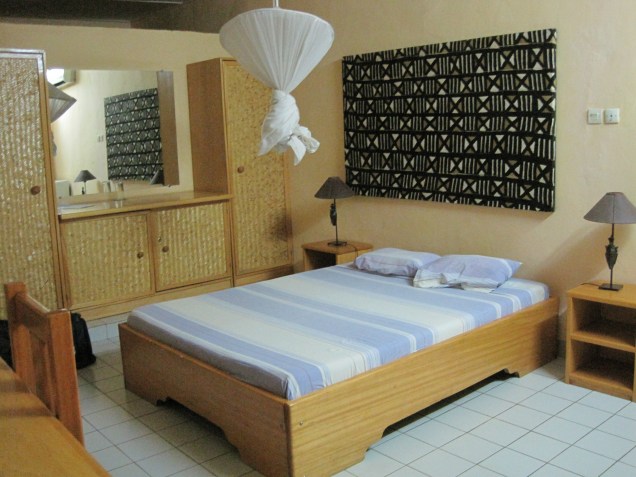
Ouagadougou hotel review: not terrible, but no A/C and it was a thousand degrees. Internet service spotty and only in the lobby. Mosquito net over the bed waiting to be unwound. En-suite bathroom on the other side of the cabinets.

The next day was my 43rd birthday, I took a taxi to the bus station and boarded an air-conditioned bus.
Burkina and 021

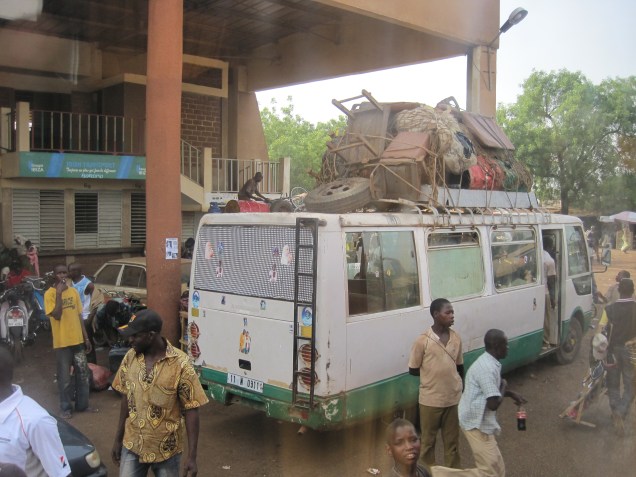
The Ouagadougou bus station (not my bus)

The ride was five hours to Bobo Dioulasso and I spent it listening to the English chatter of religious missionaries surrounding me. I longed for a return to French.

I checked into my hotel in Bobo Dioulasso, connected to the internet in my room, and called the gentleman I was to fire.

“I’m here in the city,” I said, “across the street in the hotel where I’m staying.” He seemed only mildly surprised, as though visitors had come through Bobo randomly before.

“Can you give me til 11 or so?” He said he would come over and we could have lunch here. I was getting sicker by the minute.

At a plastic table in a sun-baked cement courtyard over spiced cabbage and white rice he helped me order (je suis végétarienne), I told him he was fired. There I was, glowing white and sunburned in my wide boubou and he was a perfect gentleman. He wished me a happy birthday and paid for my lunch. I didn’t think I would keep it down that evening.

The next day, I boarded the bus to return to Ouagadougou and continue my journey back to Kigali. Why again was I there? There was no charm to the city and I did not want to walk around the hot streets in the open sun.

In Ouagadougou, I treated myself to dinner at the hotel restaurant, which was outside in a cordoned off section of the parking lot. I was told it was one of the best in town. There were tents set up on posts, the kind you would find at an outdoor wedding, strings of white lights in the trees, and bushes of birds of paradise in bloom, even in this desert.

After I told the waitress I was a vegetarian, the restaurant managed to prepare me a nice vegetarian meal, even though nothing was listed on the menu. They produced a nice variety of orange and yellow carrots, sweet yams, and rice seasoned with fresh herbs. I also requested the local pounded starch – fufu was the only name I knew it by – as it was always my favorite in West Africa. They served it with a bit of pungent peanut sauce.

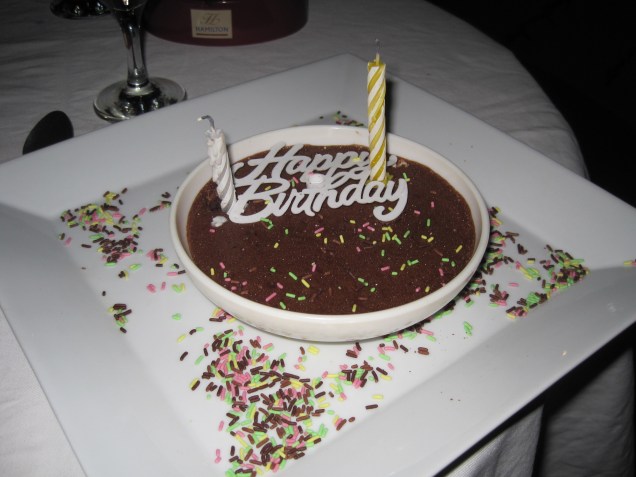
A team of three emerged, genuinely smiling and singing in French near enough to the tune of a familiar Happy Birthday. The waitress carried a silver platter and had managed to find two candles, burning brightly. She had the one cook with her and they’d managed to grab the front desk guy too.

The waitress placed the platter down on the white tablecloth and now I could see that it was mousse au chocolat. It was a perfect moment, one I will never forget. They clapped, we clapped, and they sang it again from the top. Then, the front desk guy had to get back, but the other two hovered to see if the dessert pleased me. It totally did. Somebody had produced a delicious chocolate mousse on the edge of the Sahara.
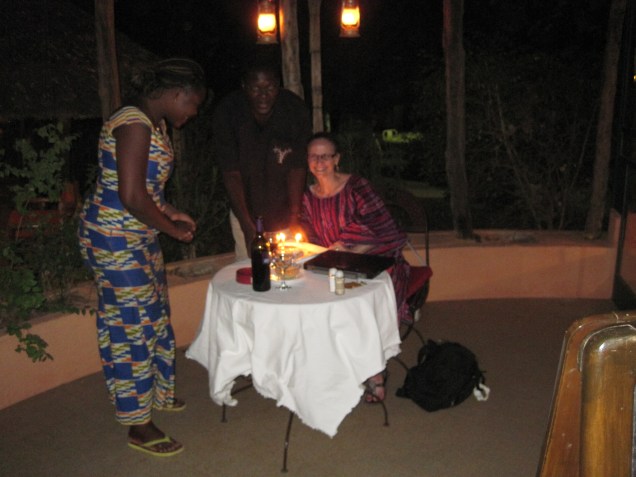
Burkina and 029My 43rd birthday

Where Next?

Vote in the comments section at the bottom!:

  • Costa Rica – because of their commitment to the environment and protecting wildlife, they elected a female president in 2010, and pura vida.
  • Cuba – another place I loved – the art, the architecture, the food (yes, that’s improved dramatically), the dance, the people.

IMG_0981 fave?

  • Turkey – because after my spark had long worn down, I visited Morocco in 2017 and the food, art and architecture reignited my love of exploring new places. See Western Turkey episode by Rick Steves: From the port of Kusadasi, we wander the streets of ancient Ephesus, soak in a natural spa at Pamukkale, learn why the dervishes whirl at Konya [home of Rumi], munch lunch in a Turkish pizzeria, and cruise the Mediterranean on a traditional Turkish gulet from Antalya. Turkey is a mighty nation whose ancient heritage, Muslim faith, and western ways are coming together…and we’ll see how. And I’ve been told lots of vegetarian eating options.
  • Shanghai, China – because I have a friend who is moving there with the U.S. Government, I had an absolute blast visiting family living in Beijing in 2010, and I have a penchant for visiting people to get more of an insider experience.
  • Yellowknife, Canada to see the Northern Lights – admittedly, this one is probably a lonnnggg ways off.


Prologue to Prague

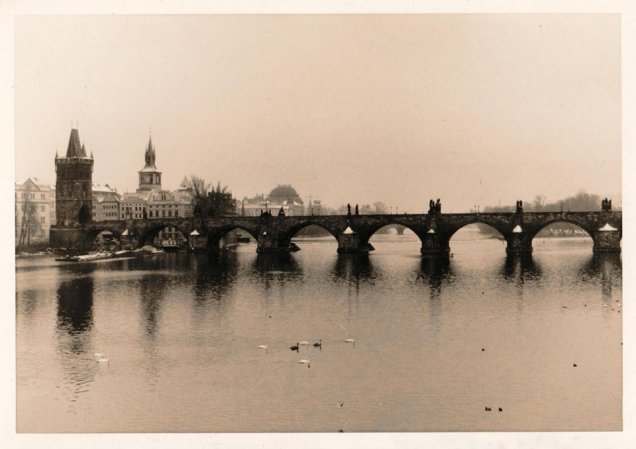
Prague 1994 from RFE RL alum FB page

It was 1994 when I landed in Prague for a vacation with my parents and my long-term boyfriend, Ron. They call Prague “The City of a Hundred Spires” with good reason, but it is a lamentably inadequate description that misses the sounds, smells, and souls that are essential Prague.

We emerged from the Delta flight to Ruzyně International Airport and descended the metal staircase onto the tarmac. I smelled it right away. It was the mingled scents of a hundred spires, myrrh, hand-forged iron, roasted chestnuts, the Hapsburgs, war, Communism, good beer, and a hundred thousand souls. Later, I learned to distinguish each of them, as well as the smell of soft, brown coal burned for heat and the leaded auto exhaust trapped in the valley on the days of winter inversions.

I grew up believing my grandfather’s father was from Prague. One of my great-grandparents was from Prague, one from Hungary, one from Germany, and one from another eastern European place referred to only as “the old country”. My grandfather, the first generation born in America, thought we were crazy to visit. He clucked his tongue disapprovingly and shook his head as he turned away. He simply didn’t get it.

We four were still in the airport at the northwest edge of the city when the thud reverberated inside my chest and head, the echoes of a medieval church door sealing inward for the night. It was the unanticipated sound of Prague lodging itself in my soul. Prague’s assertion came from a stew of reasons, but also, I believed I was personally connected to the place through my genes. As it turned out, you do not need a genetic connection for it to lodge in there. Prague is irresistible anyway.

The four of us had come for a short vacation, not due to family connections, but from a sense of adventure. Ron and I had traveled together before, but it was the first time we had gone on a vacation with my parents. I caught the travel bug early. I was 26 years old and he was 28.

Our tour consisted of three and a half days in Prague, a short flight to Budapest, three days there, and then home. As the scuffed white mini-bus deposited us, with three strangers and a heavily-accented guide, in front of the towering old Hotel International in Prague 6, I already felt cheated knowing the departing flight ticket was in my bag waiting in an envelope stuffed with travel papers.

The two receptionists at the front desk took our passports and walked into the back office, with no explanation. We waited. The carpets of the once-elegant hotel that housed Communist party bosses in the past, and possibly that day, were worn pink and burgundy. They harbored decades of Soviet dust and procedures. The chandeliers hung lopsided, offering a lonely working bulb. The flocked wallpaper was stained and peeling. There were cameras between the joists in the walls, now exposed, that probably hadn’t worked since the 80s. The receptionists hadn’t come back with our passports. I still felt shortchanged. I didn’t want to go to Budapest. I would shed a few tears when we left Prague.

Over the coming decades I would shed a lot of tears on planes. I never really knew why. I would also learn later that my great-grandfather’s Prague origins were another one of those family “misrembrances” passed down from generation to generation. But in the meantime, Prague was in my genes and in my soul.

Ron and I moved there one year later. We broke up there too and he moved home, while I stayed. It was my best of times and worst of times. It was all very much like a dream. I made lifelong friends there and sometimes we tell each other what is real and what was not, but everybody knows we are just guessing.


Palm Trees in My Eye

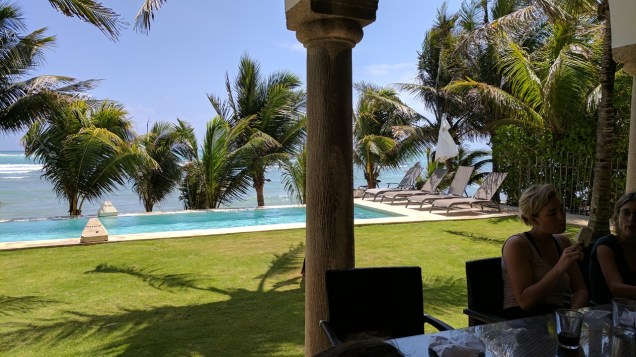
IMG_20170403_131606

It was one of those moments in life where you can’t believe your own fortune. The company I was working for was having its annual retreat. This year, it was in Playa del Carmen, midway between Cancun and Tulum, on Mexico’s lovely delft-blue Yucatan coast.

It was Saturday night and my co-workers and I had been drinking from pitchers of margaritas that the villa staff whizzed up before they departed each night. We had worked late, as we did each night on that retreat. The pitchers of margaritas came out around five each evening and we continued on with our business. I slipped away for an hour to my room. I had to call Boston to conduct a moderately drunken phone interview. I liked the candidate and so I was rather buoyant as I skipped down the stairs to re-join the group in the lounge area.

It was the second time in my years working for him that my boss looked at me and said, “What the fuck happened to your face?” Yatesh was not known for his diplomacy.

“Are you fucking kidding me?” My left hand reflexively shot up to my face, as if I could find the violation, feel it.

Granted, the first time Yatesh employed that exact phrase, four years earlier in Dhaka, my face was a mess. I could not see the mess in the mirror because I was literally blinded by a headache that put me in bed for four days. The only thing that got me up was to use the bathroom. I was eventually rescued by a team of friendly colleagues and strangers.

This time, the second, I was at a beautiful private villa in Mexico, on the beach in Playa del Carmen. But my face. Again?

“WHAT? WHAT?!!” I was panicking. I was ready to shake Yatesh to force his normally-hyperactive-but-now-flaccid mouth to resume moving.

“Your eye. It’s bleeding.” Yatesh was calm and it was not helping, but at least now I had a location.

I jumped up, tripping out of the bay of sofas, chintz pillows, and potted plants, to scurry around the corner to the bathrooms. Ok, I thought, at least this time I can see. My mind raced. Is there a doctor? A hospital? A competent doctor? There’s gotta be competent doctors in this tourist town, I thought.

This was my fourth incident. My first eye crisis was in Rwanda six years earlier. A few months later, on the island of St. Lucia. And that truly horrible time in Dhaka. Four times in the past six years. Maybe decades of travel were catching up with me. Maybe it was time to stop, I thought. Maybe Playa del Carmen has a twenty-four-hour hospital.

But back to Mexico. In the ocean blue talavera-tiled bathroom, I took some time to scrutinize my eye in the mirror. Of first note, it was my left eye. I had a cornea transplant in that eye and it was a constant worry for me, rational or not. I reconsidered my initial embarrassment at the thought of seeking medical attention. This is Playa del Carmen, I thought. These doctors would have seen injured drunk tourists before.

What had happened in Rwanda six years earlier was some pain in my left eye, but not panic. I consulted with my co-workers, who gave me the phone number of “the President’s ophthalmologist”. The doctor ushered me into her clean, modern, equipped office the next day. My problem was minor and she prescribed eye drops.

In St. Lucia, on a work trip, I woke up one morning in my room in a lovely inn fronted by a lily-filled lake. I rolled out of bed in shorts and a T-shirt and without getting properly dressed, went downstairs to say goodbye to my coworkers who were checking out at the front desk. My flight was leaving later that afternoon. I still had sleep in my eyes. Michael, my supervisor on that trip, was no less of an asshole than Yatesh, but more diplomatic in his delivery.

“Um, there’s something happening with your eye,” he said. Michael did not usually even look in my direction, never mind in my eyes.

“Really? What do you mean?”

“Well, it’s kind of red.”

“How red?” I asked and started touching my face, as always, when I become concerned.

“You should go look in the mirror.”

I did not catch my flight that afternoon. Instead, I spent the morning making phone calls to find an eye doctor who would see me (it was a Saturday, again, of course) and the afternoon sitting in his waiting room. After all his patients for the day were gone, he took me into his office. My eye, he reassured me, was not a problem. He said he had done a rotation at Mass Eye and Ear in Boston (my own hospital at home). No, I did not need any drugs or special treatment, he explained.

When I got home a week later and went in to my doctor’s office, the resident there told me what I had was a “rejection incident.” Had I been briefed previously on even one or two of the symptoms, I could have figured that out, without a medical school degree.

Two years later, in Dhaka, Bangladesh, was a serious web of problems that requires its own story. For now, I’ll just say that the illness delayed my return home at the end of a very long assignment. The doctor said I could not fly.

Meanwhile, back to Mexico and the present…

It took several minutes for my brain to process that I was traveling with an actual Boston-based medical doctor. I had worked in public health for more than a decade, but had come to expect the doctors I traveled with to be useless, hopelessly out of date, loathe to touch patients, or some combination of the aforementioned. (Bennett had actually recoiled with an “Ichkk!” when I merely asked him to look at the rash that had broken out on my neck while we were in Ethiopia.) However, this was an actual, real doctor. When he wasn’t consulting on research projects for my company, Nadeem did shifts at the E.R. in one of the busiest hospitals in the city.

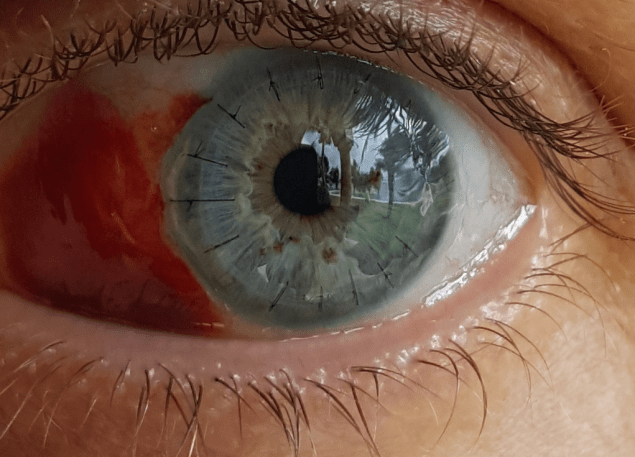
palm eye zoomest

Nadeem was not afraid to touch me and he was completely calm. Turns out, he knew something about eyes from medical school and experience.

Nadeem said, although I looked like an alien from Village of the Damned (ok, I said that, not him), it was perfectly harmless. He called it a sub-conjunctival hemorrhage and said it had no involvement with my cornea implant. I know vaguely that these such hemorrhages are nothing, but I was still shaking.

He knew what it was, but he humored me in the most lovely way by continuing to look and peer and examine my eye from every possible angle and compare it with my unaffected right eye. He even suggested photographing it and sending the pictures to my ophthalmologist back home.

Phones have cameras and the villa had internet. Brilliant. I never thought of this in my state.

After snapping a few photos and emailing them off to my doctor, it was time to return to the margarita pitchers. My hand was still trembling nervously as I held the cocktail glass.

margarita

Two years later, back in Boston, I sat down in the patient’s armchair in my ophthalmologist’s office for a regular check-up. She travels some, but she always asks me about my most recent destinations. She wants to hear about my adventures to live vicariously. From my end, I would have preferred not to be on some of these trips.

During the two years that had passed, I changed jobs and took a role that allowed me to work nearby home. I had multiple eye doctor appointments. I took vacations to Morocco (where my left foot swelled up) and South Africa (where no health events happened). I forgot about Playa del Carmen and even public health was already fading.

Dr. Ann reminded me of the hemorrhage.

Was that me? This was my typical reaction to two years and a lifetime ago.

Ann told me she was delighted by the photos I had emailed her Mexico. She had set one of them as her desktop background on her office computer. She had been gazing upon it for two years now.

My eye?

She misinterpreted my surprised expression and quickly jumped in to say she hoped that I did not mind. No, I laughed, I did not mind at all. She said it had nothing to do with the bleed. When she had opened my photos on her computer screen, what she saw in Nadeem’s zooms of my eye was the reflection of palm trees and the sea.